
Best Drawing Tablets in October 2026
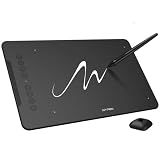
XPPen Deco 01 V3 10x6 Drawing Tablet, 16K Battery-Free Stylus, 8 Keys
- 16K PRESSURE LEVELS FOR NATURAL, EFFORTLESS DRAWING
- CUSTOMIZABLE SHORTCUTS FOR ERGONOMIC, INTUITIVE USE
- LIGHTWEIGHT, PORTABLE DESIGN FOR CREATIVITY ON THE GO


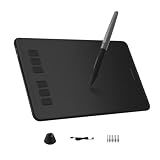
HUION Inspiroy H640P 6x4 inch Drawing Tablet 8192 Pen Pressure
- STREAMLINE YOUR ART: 6 CUSTOMIZABLE KEYS FOR EFFICIENT WORKFLOW.
- NATURAL DRAWING EXPERIENCE: 8192 PRESSURE LEVELS FOR PRECISE STROKES.
- ULTRA-PORTABLE DESIGN: JUST 0.3 INCHES THIN, PERFECT FOR ON-THE-GO ARTISTS.
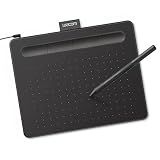
Wacom Intuos Small, Wired Graphic Drawing Tablet with Pen + Software
-
UNMATCHED PRECISION: EXPERIENCE SUPERIOR CONTROL WITH BATTERY-FREE EMR TECHNOLOGY.
-
UNIVERSAL COMPATIBILITY: USE WITH ANY SOFTWARE TO UNLEASH YOUR CREATIVITY.
-
PRO-PREFERRED CHOICE: TRUSTED BY PROFESSIONALS FOR ITS PEN-ON-PAPER FEEL.
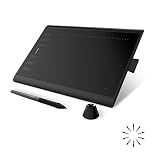
HUION Inspiroy H1060P Graphics Drawing Tablet, 10 x 6.25 in, 12+16 Hot Keys
- COMFORTABLE 10 X 6.25 WORKSPACE FOR EFFORTLESS CREATION.
- BATTERY-FREE STYLUS WITH ±60° TILT FOR VERSATILE DRAWING.
- 28 CUSTOMIZABLE KEYS STREAMLINE YOUR WORKFLOW SEAMLESSLY.

XPPen Artist 13.3 Pro 13.3" Drawing Tablet with Screen, 16K, Full-Laminated
-
NATURAL DRAWING EXPERIENCE: 60° TILT FUNCTION ENHANCES SHADING AND CONTROL.
-
VIVID COLOR ACCURACY: 88% NTSC AND FHD DISPLAY FOR STUNNING VISUALS.
-
STREAMLINED WORKFLOW: RED DIAL AND 8 CUSTOMIZABLE KEYS FOR EFFICIENCY.
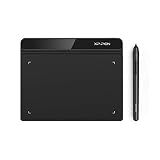
Drawing Tablet XPPen StarG640 Digital Graphic Tablet 6x4 Inch Art Tablet with Battery-Free Stylus Pen Tablet for Mac, Windows and Chromebook (Drawing/E-Learning/Remote-Working)
- BATTERY-FREE STYLUS: ENJOY UNINTERRUPTED DRAWING WITH NO CHARGING NEEDED!
- VERSATILE COMPATIBILITY: PERFECT FOR ONLINE EDUCATION AND DIGITAL WORK TOOLS.
- PORTABLE DESIGN: SLIM 2MM THICKNESS MAKES IT EASY TO CARRY ANYWHERE.
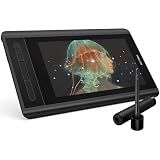
XP-PEN Artist12 11.6 Inch FHD Drawing Monitor Pen Display Graphic Monitor with PN06 Battery-Free Multi-Function Pen Holder and Glove 8192 Pressure Sensitivity
-
UNIVERSAL COMPATIBILITY: WORKS SEAMLESSLY WITH ALL MAJOR OS AND SOFTWARE.
-
VIVID HD DISPLAY: 11.6 SCREEN WITH 1920X1080 RESOLUTION FOR STUNNING VISUALS.
-
BATTERY-FREE STYLUS: ENJOY TRADITIONAL FEEL WITH AN ERGONOMIC DESIGN AND ERASER.
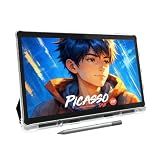
11" Standalone Drawing Tablet, Portable PicassoTab, No Computer Needed -X11
-
ALL-IN-ONE CREATIVITY: STANDALONE TABLET WITH 5 PRELOADED CREATIVE APPS.
-
EXCLUSIVE BONUS: $100 VALUE IN 6 PREMIUM EXTRAS AND APP UPGRADES.
-
BEGINNER-FRIENDLY LEARNING: LIFETIME VIP TUTORIALS FOR GUIDED PRACTICE.
Buy Drawing Tablet: Essential Deals in 2026 isn’t just a shopping query anymore-it’s a real decision point for artists, designers, students, and creators who want better control, faster workflow, and tools that won’t fight them mid-project.
A bad tablet can make sketching feel slippery, awkward, and weirdly exhausting. A good one disappears under your hand, letting your ideas come through with less friction and more confidence.
That’s why the 2026 market is so interesting. You’ve got more choices than ever, smarter pen technology, stronger display quality, and genuinely good deals across entry-level and pro-focused categories. If you’re trying to buy once and buy smart, here’s how to do it.
Buy Drawing Tablet: Essential Deals in 2026 starts with knowing your use case
Before you compare specs, ask yourself a simpler question: what are you actually going to draw?
That sounds obvious, but it’s where most people go wrong. They buy for aspirational use instead of real use. If you mainly sketch, annotate, edit photos, or make social media illustrations, your ideal setup is very different from someone doing full-time digital painting, animation, or 3D sculpting.
Here’s the easiest way to think about it:
- Beginner artist: prioritize ease of use, pressure sensitivity, and reliable drivers
- Student or hobbyist: prioritize value, portability, and compatibility
- Professional illustrator: prioritize screen quality, pen accuracy, and color performance
- Remote worker or designer: prioritize multitasking, shortcuts, and workflow integration
If you also use a tablet for work or school, it helps to compare your options with broader device categories, like these best tablets for coding or practical cheap android tablet reviews. That wider context can stop you from buying a drawing device that’s great at art but frustrating for everything else.
What to look for before you buy drawing tablet: essential deals in 2026
Specs matter-but only the right ones.
A lot of buyers obsess over the biggest numbers, then ignore the features that actually affect day-to-day drawing. Here are the ones worth your attention.
1. Pen pressure sensitivity
This determines how naturally your lines respond to a lighter or heavier hand. Higher sensitivity can be useful, but good calibration and consistent response matter more than raw numbers.
If you do line art, shading, or comic work, this should be near the top of your list.
2. Screen tablet vs pen tablet
A screen tablet lets you draw directly on the display. It feels intuitive and shortens the learning curve.
A pen tablet has no screen, so you draw on the pad while looking at a monitor. It’s often more affordable, lighter, and surprisingly efficient once you adjust.
3. Active drawing area
Don’t underestimate size. A tablet that’s too small can make your strokes cramped, while one that’s too large can tire your shoulder during long sessions.
For most people:
- Small: good for portability and note-taking
- Medium: best all-around option
- Large: best for serious illustration and studio setups
4. Display quality and color accuracy
If you’re buying a pen display, pay attention to:
- Resolution
- Brightness
- Anti-glare surface
- Color gamut
- Viewing angles
These directly affect how your art looks while you create it. If you do print work, client work, or polished portfolio pieces, color performance matters a lot.
5. Pen technology and tilt support
A good stylus should feel stable, accurate, and comfortable after hours of use. Tilt support, palm rejection, and low initial activation force all make the drawing experience more natural.
6. Shortcut keys and workflow controls
Customizable buttons, touch rings, or gesture controls can speed up your work dramatically. They’re not flashy, but they save time every single session.
7. Compatibility with your software and device
Always check whether the tablet works smoothly with your operating system and art apps. Driver issues can turn a great deal into a headache fast.
8. Portability and build quality
If you commute, attend classes, or draw in different rooms, weight and cable setup matter more than you think. A sturdy, travel-friendly tablet gets used more often.
9. Latency and line accuracy
You want the cursor to stay close to the pen tip and respond quickly. Even slight lag becomes annoying when you’re doing detailed work.
10. Deal quality beyond the headline discount
A “deal” in 2026 isn’t only about a lower price. It’s also about:
- Extra accessories included
- Better warranty terms
- Software bundle value
- Upgrade-worthy features at a mid-range tier
That’s the difference between a cheap tablet and a smart buy.
Why buy drawing tablet: essential deals in 2026 matter more than ever
The biggest benefit of a good drawing tablet is simple: it removes resistance between your idea and the screen.
That matters whether you’re doodling after work or building a freelance portfolio. Better tools don’t make you a better artist overnight, but they can make you more consistent, more comfortable, and more willing to practice.
Here’s what the right tablet changes in real life:
- Cleaner line work: better pen tracking helps your strokes look more intentional
- Faster workflow: shortcuts and smoother input reduce repetitive steps
- Less hand fatigue: a better stylus surface combo feels easier over long sessions
- More confidence: your tool responds the way you expect
- Improved mobility: lightweight setups let you create anywhere
- Better learning curve: beginners progress faster with hardware that behaves predictably
If you’re a student or creator juggling multiple hobbies, this is similar to how niche accessories improve convenience in other categories. For example, a practical guide on the selfie stick for tablet 2025 shows how the right add-on can completely change usability. The same principle applies here: the right setup makes your main device more useful.
Screen tablet vs non-screen tablet: which is better for most buyers?
This is one of the biggest questions behind Buy Drawing Tablet: Essential Deals in 2026, and the answer depends on your budget, experience, and workflow.
Choose a screen tablet if you want:
- A more natural paper-like drawing feel
- Faster adaptation as a beginner
- Better direct control for painting and sketching
- A more immersive creative experience
These are excellent for visual learners and artists who want the “draw where you look” experience.
Choose a non-screen pen tablet if you want:
- Better value for performance
- A lighter desk setup
- Easier portability
- Fewer display-related costs
These are ideal if you already have a good monitor and want the best drawing performance per dollar.
Pro tip: If your budget is tight, a quality non-screen tablet often gives you a better long-term experience than a low-end display tablet with mediocre color, dim brightness, and poor parallax.
Buy Drawing Tablet: Essential Deals in 2026 for beginners, students, and pros
Not every buyer should chase the same features.
For beginners
Focus on reliability, comfort, and easy setup. You don’t need the most advanced display or the highest-end stylus to learn fundamentals like line control, brush pressure, and digital workflow.
Look for:
- Medium-sized active area
- Comfortable stylus grip
- Good software support
- Simple shortcut layout
For students
You’ll probably care about portability and value just as much as drawing performance. Battery life, cable simplicity, and backpack-friendly size matter a lot here.
If your tablet will double as a study or entertainment device, broader comparisons-like those found in cheap android tablet reviews-can help you avoid overspending on art-specific features you may not use yet.
For professionals
At this level, time is money. You need a device that delivers accurate color, minimal lag, stable drivers, and comfortable all-day use.
Prioritize:
- Strong display quality
- Excellent stylus response
- Reliable driver performance
- Efficient shortcut customization
- Build quality that holds up under daily work
Expert recommendations: how to avoid the most common buying mistakes
Most returns happen for predictable reasons.
People buy the wrong size, ignore software compatibility, or choose based on flashy spec sheets rather than actual workflow needs. Here’s how to avoid that.
Mistake #1: Buying too large for your desk
A huge tablet looks impressive until it dominates your workspace. If your desk is small or shared, a medium-size model is often the sweet spot.
Mistake #2: Overpaying for features you won’t use
If you don’t edit color-critical work, ultra-high display specs may not be worth stretching your budget. Put that money toward a stand, glove, or better stylus feel instead.
Mistake #3: Ignoring ergonomics
The best tablet on paper can still feel bad in use. Pay attention to wrist angle, pen grip comfort, and whether the device supports a natural posture.
Mistake #4: Skipping accessory value
A deal gets much better if it includes essentials like:
- Adjustable stand
- Extra nibs
- Protective sleeve
- Drawing glove
- Shortcut remote
Sometimes the bundle matters more than the discount.
Mistake #5: Forgetting your full creative setup
Your tablet doesn’t work in isolation. Think about your monitor, chair height, desk depth, software, and whether you’ll travel with it.
💡 Did you know: Many artists improve comfort more by changing tablet angle and desk position than by upgrading to a more expensive model.
Also, if you like comparing “tool ecosystems” before buying, niche guides such as humidifier cleaning tablets or even entertainment-focused lists like top tabletop bowling games show a useful pattern: the smartest buyers compare maintenance, accessories, and actual usage habits-not just specs.
How to get the best deal when you buy drawing tablet: essential deals in 2026
A good deal starts before checkout.
You want to compare value, not just sticker price. That means looking at the total ownership experience.
Smart shopping checklist
-
Set your primary use case Decide whether your tablet is for sketching, illustration, animation, photo editing, note-taking, or mixed use.
-
Choose your format Decide between screen tablet, pen tablet, or standalone creative tablet based on your workflow.
-
Measure your space Check desk width, monitor position, and travel needs before choosing size.
-
Confirm software compatibility Make sure it works with your preferred art apps and operating system.
-
Compare bundled extras Look for stands, stylus nibs, cables, or software trials that add real value.
-
Read user feedback about drivers This matters more than most shoppers expect. Stable setup = less frustration.
-
Think one year ahead Buy for the artist you’re becoming, not just the one you are today.
That last point matters. If you’re already sketching several times a week, it may be smarter to buy slightly above beginner level so you don’t outgrow your device in six months.
How to get started after you buy drawing tablet: essential deals in 2026
Don’t make the mistake of unboxing it and jumping straight into a giant project.
A better approach is to build familiarity first. That way your new hardware starts feeling natural faster.
Your first-week setup plan
- Day 1: install drivers, update firmware, and test pen calibration
- Day 2: customize shortcut keys for undo, brush size, zoom, and eraser
- Day 3: practice straight lines, circles, and pressure control
- Day 4: test your favorite brushes and adjust sensitivity settings
- Day 5: set up your workspace for comfort and posture
- Day 6: complete one simple sketch or study
- Day 7: review what feels awkward and fine-tune your settings
This makes a huge difference.
You’ll learn whether your tablet surface feels too slick, whether your shortcut layout is efficient, and whether your hand position needs adjustment. Small tweaks early on lead to a much better long-term experience.
Final thoughts on choosing the right drawing tablet in 2026
The best choice isn’t the most expensive tablet or the one with the longest feature list. It’s the one that fits your art style, your space, your software, and your real routine.
If you’re ready to move, start by narrowing your use case, deciding between screen and non-screen, and comparing bundle value instead of chasing flashy discounts. Buy Drawing Tablet: Essential Deals in 2026 becomes a lot simpler once you focus on fit over hype-so pick the setup that makes you want to draw more, then put it to work.
Frequently Asked Questions
what is the best drawing tablet for beginners in 2026?
The best drawing tablet for beginners in 2026 is usually a medium-sized model with reliable pen response, simple setup, and strong software compatibility. You don’t need premium specs at the start-comfort, accuracy, and ease of use matter more.
is a screen drawing tablet better than a non screen tablet?
A screen drawing tablet feels more natural because you draw directly where you look, which many beginners love. A non-screen tablet often offers better value, lighter weight, and excellent performance once you get used to hand-eye coordination.
how much should i spend when i buy a drawing tablet in 2026?
You should spend based on your actual workflow, not on the most advanced features available. If you’re learning or drawing casually, a solid entry or mid-range option is often enough, while professionals may benefit from paying more for display quality and reliability.
can i use a drawing tablet for photo editing and note taking too?
Yes, many drawing tablets work well for photo retouching, design tasks, handwriting, annotations, and digital notes. The key is choosing one with good stylus precision, comfortable ergonomics, and compatibility with the software you already use.
what should i check before buying a drawing tablet online?
Check pen performance, active area size, display quality if applicable, operating system support, and driver reputation before buying online. It’s also smart to compare bundled accessories, warranty coverage, and whether the tablet matches your desk setup and creative goals.