Best 4K Monitor Accessories to Buy in October 2026
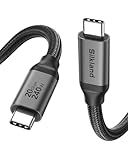
Silkland USB C Monitor Display Cable 3.3FT 4K@144Hz/60Hz, 8K USB C 3.2 Gen 2x2 Video Cable, 20Gbps Data Transfer, 240W PD Charging, Type C Compatible for iPhone 17, MacBook, CarPlay, Portable Monitor


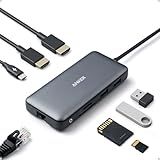
Anker Laptop Docking Station Dual Monitor, 8-in-1 USB C Hub, 4K Dual Monitor with 2 HDMI, 1 Gbps Ethernet Hub, 85W Power Delivery, SD Card Reader, for XPS and More (Charger not Included)
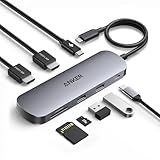
Anker Nano Laptop Docking Station Dual Monitor, 8-in-1 USB C Dock with 4K@60Hz HDMI, 10Gbps 1 USB-C, 2 USB-A, 85W PD, SD/TF Card Reader, for Dell,Lenovo, HP, and Windows Laptops (Charger Not Included)
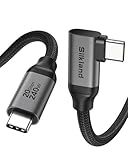
Silkland USB C Monitor Cable Right Angle 5FT, 8K@30Hz 5K/4K@60Hz Display, 20Gbps Data Transfer, 90 Degree USB C 3.2 Gen 2x2 Video Cable, 240W Charging for iPhone 17, MacBook, Portable Monitor, Carplay

4K 60fps Vlog Selfie Monitor Screen, Magnetic Phone Vlog Selfie Monitor Screen with Bluetooth Remote, Back Camera Monitor for Live Stream TikTok, Compatible with iPhone Android - Dark Navy
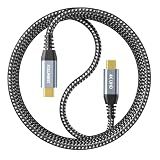
ZeroneTeck USB C Cable 3ft, USB C 3.2 Gen 2X2 Cable, 4K Monitor Video Output, 20Gbps High Speed Data Transfer, 100W Fast Charging for Carplay iPhone 16, MacBook, Dell, ARZOPA, KYY for Portable Monitor
To adjust the screen resolution on a 4K monitor, you can follow these steps:
- Right-click on an empty area of your desktop and select "Display settings" from the drop-down menu.
- In the "Display settings" window that appears, scroll down to find the "Resolution" section.
- Under the "Resolution" section, you will see a slider with different resolution options. Drag the slider to find and select the desired resolution for your 4K monitor.
- As you adjust the slider, you might notice your display changes in real-time. This allows you to visually see how the resolution affects the screen.
- Once you have selected the desired resolution, click on the "Apply" button at the bottom of the window to save the changes.
- A confirmation dialog will appear asking if you want to keep the changes. If everything looks correct, click on the "Keep changes" button.
- Your screen resolution should now be adjusted according to the chosen settings.
Note that the available resolution options may vary depending on your computer's hardware and the capabilities of your 4K monitor. It's recommended to choose a resolution that suits your preferences and provides a good balance between image sharpness and visibility.
What is the native screen resolution of a 4K monitor?
The native screen resolution of a 4K monitor is typically 3840 x 2160 pixels.
How to disable overscan on a 4K monitor?
To disable overscan on a 4K monitor, you can follow these steps:
- Right-click on your desktop and select "Display settings" or "Screen resolution."
- In the display settings window, scroll down and click on "Advanced display settings" or "Advanced settings."
- Look for an option called "Overscan" or "Scaling."
- If you find this option, select it and disable the overscan by moving the slider to 0% or by unchecking any box related to overscan.
- If you do not see an overscan option, try accessing your monitor's settings directly. Most 4K monitors have their own OSD (On-Screen Display) menu accessed through physical buttons on the monitor itself.
- Press the corresponding button on your monitor to bring up the OSD menu and navigate through the settings using the monitor's buttons.
- Look for options related to image scaling, overscan, or display size adjustments.
- Disable overscan or adjust the scaling to fit the screen properly.
- Save your changes and exit the OSD menu.
Note: The exact steps may vary depending on your operating system, graphics card, and monitor model.
How to decrease the screen resolution on a 4K monitor?
To decrease the screen resolution on a 4K monitor, you can follow these steps:
- Right-click on the desktop and select "Display settings" or "Screen resolution."
- In the display settings window, you will see a resolution slider or a drop-down menu with various resolution options.
- Drag the slider or select a lower resolution from the drop-down menu. Look for resolutions with "1080p" or "1920x1080" as they are standard Full HD resolutions.
- Apply the new resolution by clicking on the "Apply" or "OK" button.
- The screen might flicker or go blank for a moment as it adjusts to the new resolution. If the new resolution is suitable and visible, keep the settings; otherwise, revert them back to the previous resolution or try a different one until you find a size that suits your preferences.
Note: It's important to keep in mind that decreasing the screen resolution may affect the sharpness and clarity of the display, as certain resolutions may not utilize the full potential of a 4K monitor.
How to adjust the aspect ratio on a 4K monitor?
Adjusting the aspect ratio on a 4K monitor can typically be done through the display settings of your computer's operating system. Here are the general steps for adjusting the aspect ratio:
For Windows:
- Right-click on the desktop and select "Display settings" from the context menu.
- In the display settings window, scroll down to the "Scale and layout" section.
- Under the "Display resolution" section, you will find a drop-down menu labeled "Resolution".
- Click on the drop-down menu and select the desired resolution that matches the aspect ratio you want.
- Click on "Apply" to save the changes.
For Mac:
- Click on the Apple menu and select "System Preferences".
- In the System Preferences window, click on "Displays".
- Go to the "Display" tab.
- Look for the "Resolution" section and click on the "Scaled" button.
- A list of available resolutions will appear, select the resolution that matches the desired aspect ratio.
- Close the window to save the changes.
Additionally, some 4K monitors may have their own built-in settings for adjusting the aspect ratio. Check the monitor's user manual or the manufacturer's website for instructions specific to your monitor model.