
Best Date Calculation Tools to Buy in September 2026
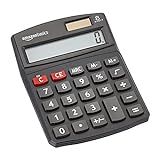
Amazon Basics LCD 8-Digit Desktop Calculator, Portable and Easy to Use, Black, 1-Pack
- BRIGHT 8-DIGIT LCD FOR EASY, EFFORTLESS VIEWING IN ANY LIGHT.
- VERSATILE WITH 6 FUNCTIONS: ADD, SUBTRACT, MULTIPLY, DIVIDE, & MORE.
- USER-FRIENDLY DESIGN WITH DURABLE BUTTONS FOR ALL AGES, INCLUDING KIDS.


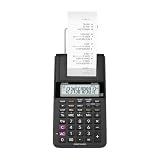
Casio HR-10RC Mini Desktop Printing Calculator, Black
-
COMPACT DESIGN FOR FAST INPUT ANYWHERE-PERFECT FOR ON-THE-GO USE.
-
LARGE 12-DIGIT DISPLAY ENSURES QUICK AND ACCURATE CALCULATIONS EASILY.
-
ESSENTIAL BUSINESS FUNCTIONS STREAMLINE TAX, RECORDKEEPING, AND BUDGETS.
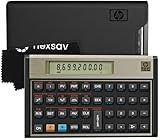
HP 12C Financial Calculator – 120+ Functions: TVM, NPV, IRR, Amortization, Bond Calculations, Programmable Keys – RPN Desktop Calculator for Finance, Accounting & Real Estate – Includes Case + Cloth
- TRUSTED BY PROS FOR 40+ YEARS IN FINANCE AND REAL ESTATE.
- OVER 120 FUNCTIONS FOR SEAMLESS FINANCIAL ANALYSIS IN SECONDS.
- RPN ENTRY BOOSTS EFFICIENCY; PROGRAMMABLE FOR QUICK, REPEAT TASKS.
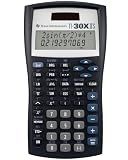
TI-30XIIS Scientific Calculator Texas Instruments, Black
-
DUAL-LINE DISPLAY ENABLES SIMULTANEOUS VIEWING OF INPUTS AND RESULTS.
-
VERSATILE: HANDLES STATS, FRACTIONS, AND SCIENTIFIC FUNCTIONS EASILY.
-
EXAM-APPROVED: PERFECT FOR SAT, ACT, AND AP TEST PREPARATION.
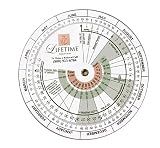
Pregnancy Wheel: Due Date Calculator for Pregnant Patients. Designed for OB/GYN, Doctors, Midwives, Nurses, and Patients
- PRECISION MACHINING ENSURES TOP-NOTCH ACCURACY FOR OPTIMAL PERFORMANCE.
- DURABLE PLASTIC DESIGN GUARANTEES LONGEVITY AND RELIABILITY.
- HIGH VISIBILITY ENHANCES USER EXPERIENCE IN ANY ENVIRONMENT.
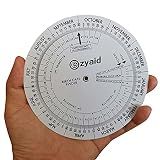
Ezyaid Pregnancy Wheel, OB-GYN Due Date Calculator, Gestational EDC Wheel for Midwives and Health Workers
- ACCURATE PREGNANCY TRACKING: VISUAL CHARTING FOR KEY MILESTONES.
- USER-FRIENDLY DESIGN: SIMPLE ROTATION FOR EASY DATE SELECTION.
- DURABLE & LIGHTWEIGHT: TRUSTED TOOL FOR PROFESSIONALS AND GIFTS.
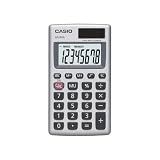
Casio HS-8VA Mini 6-Function Calculator
- ULTRA-COMPACT & LIGHTWEIGHT: FITS PERFECTLY IN POCKETS OR BAGS!
- CLEAR 8-DIGIT DISPLAY: EFFORTLESS READING FOR FAST CALCULATIONS.
- VERSATILE MEMORY KEYS: SIMPLIFY COMPLEX CALCULATIONS WITH EASE!
To calculate the number of days between two dates in Oracle, you can use the DATEDIFF function. This function calculates the difference between two dates and returns the result in days. The syntax for using DATEDIFF is as follows:
DATEDIFF('end_date', 'start_date')
Where 'end_date' and 'start_date' are the two dates for which you want to calculate the difference.
For example, if you want to find the number of days between June 1, 2021, and June 10, 2021, you can use the following query:
SELECT DATEDIFF('2021-06-10', '2021-06-01') AS days_difference FROM dual;
This query will return 9 as the difference between the two dates. You can use this function in your SQL queries to calculate the number of days between any two dates in Oracle.
How to calculate the total number of days between two dates in Oracle?
In Oracle, you can calculate the total number of days between two dates by using the following query:
SELECT (TO_DATE('second_date', 'YYYY-MM-DD') - TO_DATE('first_date', 'YYYY-MM-DD')) AS days_difference FROM dual;
Replace 'first_date' and 'second_date' with the actual dates you want to calculate the difference between. This query will return the total number of days between the two dates.
What is the formula to calculate days between two dates in Oracle?
The formula to calculate the number of days between two dates in Oracle is:
SELECT (date1 - date2) AS days_between FROM dual;
Where date1 and date2 are the two dates for which you want to calculate the number of days between.
What is the significance of calculating days between two dates in Oracle?
Calculating the days between two dates in Oracle can be significant for a number of reasons:
- Business Analysis: Businesses often need to track the number of days between two events, such as the time it takes to fulfill an order, the duration of a project, or the gap between two sales periods. This information can help in assessing efficiency, performance, and overall business operations.
- Compliance: In some industries, there are legal requirements for tracking the number of days between certain events or actions. This could include regulations related to payment terms, employee leave entitlements, or reporting deadlines.
- Planning and Scheduling: Knowing the number of days between two dates can help in planning and scheduling activities and tasks. This can be particularly important for projects with strict deadlines or dependencies.
- Performance Measurement: Calculating the days between two dates can help in measuring the performance and productivity of individuals, teams, or departments. It can provide insight into how efficiently tasks are being completed and help in identifying areas for improvement.
- Historical Analysis: By comparing the number of days between certain events over time, organizations can analyze trends, patterns, and historical data. This can help in predicting future outcomes and making informed decisions.
How to account for daylight saving time changes when calculating days between two dates in Oracle?
When calculating the days between two dates in Oracle and accounting for daylight saving time changes, you can use the NUMTODSINTERVAL function to convert the time difference between the two dates to a time interval, and then extract the number of days from that interval.
Here's an example query that demonstrates this approach:
SELECT TRUNC( EXTRACT(DAY FROM ( TO_DATE('2022-03-13', 'YYYY-MM-DD') - TO_DATE('2022-03-06', 'YYYY-MM-DD') ) * 24 * 60 * 60 * 100 ) / (24 * 60 * 60) ) AS days_between_dates FROM dual;
In this query:
- The TO_DATE function is used to convert the input dates ('2022-03-13' and '2022-03-06') to Oracle date values.
- The difference between the two dates is calculated and multiplied by the number of seconds in a minute, hour, and day to convert it to a time interval in seconds.
- The TRUNC function is used to extract the number of days from the time interval.
By using this approach, you can accurately calculate the days between two dates in Oracle while accounting for daylight saving time changes.
What is the function used to calculate days between two dates in Oracle?
The function used to calculate days between two dates in Oracle is TRUNC.