Best Board Games to Buy in October 2026
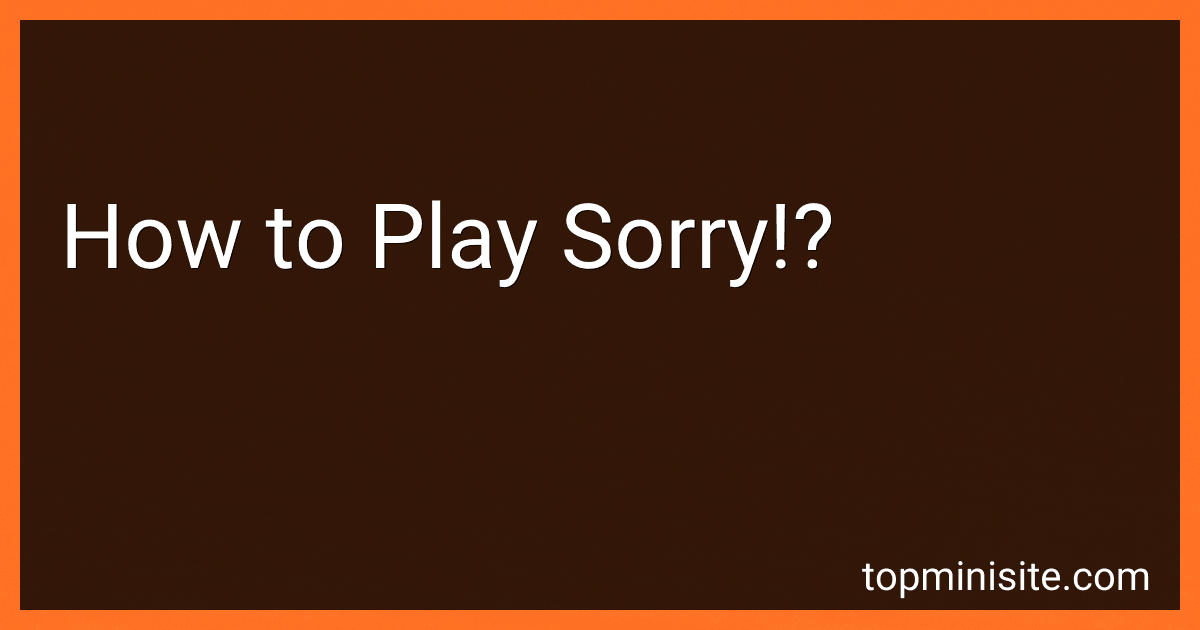
Sorry! Board Game for Kids Ages 6 and Up; Classic Hasbro Board Game; Each Player Gets 4 Pawns; Family Game
- CLASSIC SORRY! GAMEPLAY FOR THRILLING FAMILY FUN AND COMPETITION!
- SEND OPPONENTS' PAWNS BACK FOR SWEET REVENGE IN EVERY ROUND!
- PERFECT GIFT FOR KIDS AGED 6+, IDEAL FOR FAMILY GAME NIGHTS!


Monopoly Board Game | Classic Game with Storage Tray and Larger Tokens | Ages 8+ | 2 to 6 Players | Family Games for Kids and Adults | Kids Gifts
-
UPGRADED MONOPOLY: FRESH LOOK & FEATURES FOR EPIC FAMILY FUN!
-
CONQUER OPPONENTS: BUY, SELL, AND BANKRUPT YOUR WAY TO VICTORY!
-
STYLISH TOKENS & ORGANIZED BANKER TRAY FOR SMOOTH GAMEPLAY!
Official Hasbro Games Connect 4 Game (2025 Edition) | All-in-1 Storage, Carrying Case, Score Tracker | Ages 6+ | 2 Players | Family Games for Kids
- ALL-IN-1 PORTABLE DESIGN MAKES STORAGE AND TRANSPORT EFFORTLESS!
- BUILT-IN SCORE TRACKERS ENHANCE COMPETITION FOR ENDLESS FUN!
- QUICK 5-MINUTE ROUNDS PERFECT FOR FAMILY GAME NIGHT OR TRAVEL!
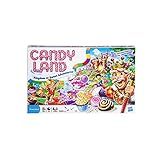
Hasbro Gaming Candy Land Kingdom of Sweet Adventures Board Game for Kids, Gifts for Boys and Girls, Ages 3 & Up (Amazon Exclusive)
- INTRODUCE KIDS TO CLASSIC FUN WITH CANDY LAND'S SWEET ADVENTURE.
- ENGAGE YOUNG PLAYERS WITH SIMPLE RULES, NO READING NEEDED!
- COLORFUL CARDS AND FUN ILLUSTRATIONS MAKE LEARNING JOYFUL!
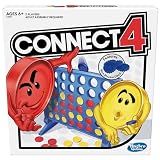
Hasbro Gaming Connect 4 Strategy Board Game for Ages 6 and Up (Amazon Exclusive)
- ENHANCE GAMEPLAY WITH THE STRATEGIC BLUE BLOCKER DISC!
- BLOCK OPPONENTS AND ELEVATE YOUR DISCS FOR VICTORY!
- UNLOCK NEW STRATEGIES WITH THE INNOVATIVE BLUE BLOCKER DISC!
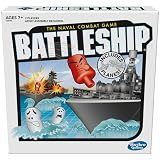
Hasbro Gaming Battleship with Planes Strategy Board Game for Ages 7 and Up (Amazon Exclusive)
-
EPIC BATTLES: SINK SHIPS & CRASH PLANES FOR ULTIMATE STRATEGY!
-
PORTABLE FUN: IDEAL TRAVEL GAME WITH CONVENIENT STORAGE CASES!
-
PERFECT FOR FAMILIES: ENJOY CLASSIC BATTLESHIP WITH A NEW TWIST!
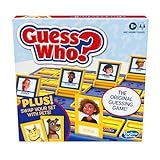
Hasbro Gaming Guess Who? Plus Board Game with People & Pet Cards
-
ENJOY DUAL GAMEPLAY: GUESS HUMANS OR PETS FOR ENDLESS FUN!
-
QUICK SETUP AND EASY STORAGE FOR GAMING ON-THE-GO!
-
PERFECT FOR AGES 6+: GREAT FOR PLAYDATES AND FAMILY NIGHTS!
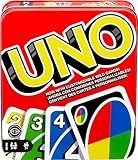
Mattel Games UNO Card Game, Ages 7+, 2-10 Players
- CLASSIC UNO GAMEPLAY: MATCH COLORS OR NUMBERS TO WIN FAST!
- EXCITING ACTION AND WILD CARDS FOR UNPREDICTABLE FUN!
- COLOR-BLIND FRIENDLY DECK ENSURES EVERYONE CAN ENJOY PLAYING!
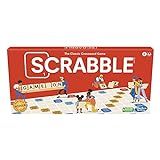
Hasbro Gaming Scrabble Board Game, Classic Word Games for Kids Ages 8 and Up, Fun Family Game for 2-4 Players, The Classic Crossword Game
-
CLASSIC GAME NIGHT FUN: BRING FAMILY TOGETHER WITH SCRABBLE EXCITEMENT!
-
PREMIUM QUALITY PIECES: ENJOY STURDY WOODEN TILES AND RACKS FOR DURABILITY.
-
STRATEGIC SCORING: CHALLENGE FRIENDS AND MAXIMIZE POINTS WITH CLEVER PLAYS!
Sorry! is a classic board game that involves moving your pawns around the board and being the first player to get all of your pawns to your home base. To play, you start by choosing a color and placing all four of your pawns on your starting space. Players take turns drawing cards and moving their pawns around the board based on the number on the card they draw.
The goal is to move all of your pawns around the board and into your home base before the other players. Along the way, you may have to bump other players' pawns back to their starting space, hence the name Sorry! There are also special cards that allow you to move specific pawns a certain number of spaces or switch places with another player.
The game continues until one player successfully gets all of their pawns to their home base. Sorry! is a fun game that combines luck and strategy, making it a great option for game nights with friends and family.
How to play Sorry! with two players?
To play Sorry! with two players, follow these steps:
- Each player chooses a color of game pieces and places them in their respective start spaces.
- Shuffle the Sorry! cards and place them face down in a stack within reach of both players.
- Players take turns drawing a card and following the instructions on it. Players can move any of their game pieces based on the card they draw.
- Players can move their game pieces according to the card drawn, but they cannot move their pieces backward or skip over their own pieces.
- If a player lands on an opponent's game piece, that piece is sent back to the opponent's start space.
- If a player draws a Sorry! card, they can choose to move one of their pieces from the start space directly to the slide that leads to the safety zone.
- The first player to get all of their game pieces into the safety zone wins the game.
By following these steps, you can play Sorry! with two players and enjoy a friendly competition.
What is the goal of Sorry!?
The goal of the board game Sorry! is to be the first player to move all four of their colored pawns from the start to their home space by successfully navigating around the game board and sending opponents' pawns back to the start.
How to customize the rules of Sorry!?
To customize the rules of Sorry!, you can try the following variations:
- Starting pieces: Instead of starting with 4 pieces, you can start with a different number of pieces, such as 2 or 3, to make the game go faster or slower.
- Number of players: You can play with more or fewer players than the standard 2-4 players if you have a larger or smaller group.
- Board size: You can play on a larger or smaller board by adding or removing certain spaces to make the game more challenging or easier.
- Power-ups: You can add power-up cards or special abilities to the game to give players more strategic options and make the game more interesting.
- Time limit: You can set a time limit for each turn to speed up the game and prevent players from taking too long to make their moves.
- End game condition: Instead of getting all your pieces to the home space, you can set a different end game condition, such as collecting a certain number of cards or reaching a certain point threshold.
Remember, the key to customizing the rules is to ensure that all players agree on the changes and that they enhance the overall gameplay experience. Have fun experimenting with different variations!
How to determine the starting player in Sorry!?
In Sorry!, the starting player is typically determined by having each player draw a card from the deck. The player with the highest card value gets to go first. If there is a tie, the tied players draw again until a starting player is determined.
Some variations of the game may have different ways of determining the starting player, so it's always a good idea to check the rules of the specific version of Sorry! that you are playing.
What are the different variations of Sorry!?
- Sorry! Classic Edition: The original version of the game that includes traditional rules and gameplay.
- Sorry! Sliders: A version of the game that uses sliders to move your pieces instead of cards, adding a new element of skill and strategy.
- Sorry! Revenge Card Game: A compact and portable version of the game that uses cards instead of a board to play.
- Sorry! Express: A simplified version of the game designed for younger players or for a quick game.
- Sorry! Fire & Ice: A version of the game that introduces new ice and fire tokens that can change the gameplay and strategy.
- Sorry! Nostalgia Edition: A retro version of the game that includes wooden tokens and vintage-inspired artwork.
- Sorry! Simpsons Edition: A themed version of the game featuring characters and artwork from the popular TV show, The Simpsons.
- Sorry! Junior: A version of the game designed for younger children, with simpler rules and gameplay.
How to move pawns in Sorry!?
In Sorry!, pawns are moved by drawing a card from the deck and following the instructions on the card. The card will indicate how many spaces a player can move one of their pawns forward on the game board. Players can choose which pawn to move at the start of their turn. If a player draws a card that allows them to move a pawn backwards, they can choose to move one of their pawns backwards.
Players can also use a 1 or 2 to start a pawn from the start area onto the board, or use a "Sorry!" card to send an opponent's pawn back to their start area. The ultimate goal of the game is to move all of your pawns from your start area to your "home" area before your opponents.