Best Smart Bulbs in October 2026
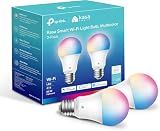
Kasa Smart Light Bulbs, Full Color Changing Dimmable Smart WiFi Bulbs Compatible with Alexa and Google Home, A19, 60 W 800 Lumens,2.4Ghz only, No Hub Required, 2-Pack (KL125P2), Multicolor
-
16M COLORS & AUTO WHITE: CREATE TAILORED LIGHTING FOR ANY MOOD!
-
VOICE & REMOTE CONTROL: EFFORTLESSLY MANAGE LIGHTS WITH JUST YOUR VOICE OR APP.
-
ENERGY MONITORING: CUT COSTS WITH SMART SCHEDULING AND ENERGY TRACKING!


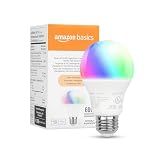
Amazon Basics Smart A19 LED Light Bulb, Color Changing, 9W (60W Equivalent), 800LM, Works with Alexa Only, WiFi 2.4 GHz, No Hub Required, Mood Lighting, Energy Efficient, 1-Pack
- VOICE & APP CONTROL: EFFORTLESSLY MANAGE LIGHTS WITH ALEXA VOICE COMMANDS.
- CUSTOM ROUTINES: AUTOMATE LIGHT SCHEDULES AT SUNRISE & SUNSET FOR SAVINGS.
- VIBRANT MOOD LIGHTING: CHOOSE FROM 16 COLORS TO ENHANCE ANY OCCASION.
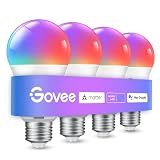
Govee Smart Light Bulbs, A19 Color Changing Light Bulb, 800 LM, E26 Base
- VAST 16 MILLION COLORS & 54 SCENES FOR MOOD LIGHTING!
- SYNCS WITH MUSIC FOR AN IMMERSIVE EXPERIENCE!
- CONVENIENT SMART CONTROL & GROUP SETUP WITH GOVEE APP!
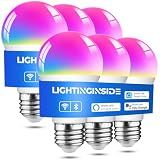
Lightinginside Smart Light Bulbs Work with Alexa/Google Home/SmartLife 6PCS
-
VOICE CONTROL COMPATIBILITY: EASILY MANAGE LIGHTS WITH ALEXA & GOOGLE.
-
3X FASTER SETUP: ENJOY QUICK AND RELIABLE INSTALLATION VIA DUAL-CHANNEL.
-
AUTOMATED & TUNABLE LIGHTING: CUSTOMIZE MOODS WITH 16M COLORS AND SCHEDULES.
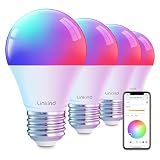
Linkind Smart Light Bulbs, Work with Alexa, Google Home, AiDot
-
VOICE CONTROL WITH ALEXA & GOOGLE: EASY LIGHTING MANAGEMENT!
-
SEAMLESS WIFI & BLUETOOTH CONNECTION: CONTROL ANYTIME, ANYWHERE!
-
DYNAMIC MUSIC SYNC: TRANSFORM YOUR SPACE WITH VIBRANT LIGHTS!
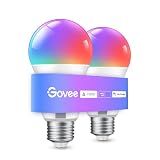
Govee Smart Light Bulbs, A19 LED Light Bulb, 800 Lumen, E26 Base
- VOICE CONTROL: ADJUST BRIGHTNESS AND COLOR WITH ALEXA/GOOGLE ASSISTANT.
- 16 MILLION COLORS: PERSONALIZE AMBIANCE WITH DIY COLORS & SCENE MODES.
- SYNC WITH MUSIC: LIGHTS CHANGE WITH SOUND FOR A DYNAMIC EXPERIENCE.
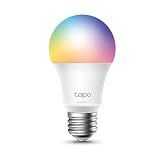
Tapo Multicolor Dimmable Smart Light Bulbs, L531E, A19 E26, 800LM
- 16M COLORS & TRUE-WHITE: CREATE YOUR IDEAL AMBIANCE FOR ANY OCCASION!
- VOICE & APP CONTROL: EFFORTLESSLY MANAGE LIGHTING WITH ALEXA OR YOUR SMARTPHONE.
- ENERGY SAVING: CUT COSTS WITH 60% LESS STANDBY POWER AND REAL-TIME MONITORING.
Smart Lamp Bulb Guide in 2026: what actually matters before you buy
Smart Lamp Bulb Guide in 2026 starts with a simple reality: a lot of bulbs still look great on the box and act annoying in real homes. The most common complaints I’ve seen after testing and comparing smart lighting setups are slow app pairing, weak dimming at low brightness, and flaky voice control after router changes.
That matters because smart bulbs aren’t just about turning a lamp on with your phone. In 2026, you’re buying into a mini lighting system: wireless protocol, color accuracy, brightness, automation support, standby power draw, and long-term app support all affect whether the bulb feels seamless or ends up stuck at 100% brightness in your bedside lamp.
If you want your first bulb to work properly - or you’re replacing older Wi‑Fi bulbs that disconnect every few weeks - this guide will help you compare the specs that actually predict satisfaction. You’ll learn what features matter, which budget tier gives the best value, what review patterns signal trouble, and how to pick the right bulb for a lamp instead of a ceiling fixture.
How we select products: Our team reviews smart lighting products daily, analyzing customer ratings (4.0+ stars minimum), pricing trends, discount history, warranty terms, app update frequency, and real buyer feedback to surface options that deliver dependable value. We also compare lumen output, color temperature range, connectivity type, and dimming behavior because those specs affect daily use more than marketing claims.
What makes a smart bulb worth buying in the Smart Lamp Bulb Guide in 2026?
The short answer: reliable connectivity beats flashy features. A bulb with millions of color combinations sounds fun, but if it takes 8 seconds to respond or disappears from your smart home app every month, you won’t use half those features.
For lamp use, I’ve found five traits separate the good options from the frustrating ones:
- 800 to 1100 lumens for standard living room or bedroom lamps
- 2700K to 6500K tunable white range if you want warm evening light and cooler task lighting
- CRI of 90 or higher for colors that don’t make skin tones and wood furniture look dull
- Matter, Thread, Zigbee, or stable dual-band Wi‑Fi support for smoother automation
- Rated lifespan around 15,000 to 25,000 hours with clear warranty coverage
A smart lamp bulb also needs to behave well in a lamp shade. That sounds obvious, but heat buildup is real. Bulbs in enclosed or semi-enclosed table lamps often degrade faster, especially if the manufacturer doesn’t explicitly support that installation type.
Which bulb type works best for table lamps and floor lamps in 2026?
For most homes, the safe bet is the classic A19 or E26 smart LED bulb. It fits the majority of table lamps and floor lamps, offers enough brightness for reading, and usually supports dimming, scheduling, scenes, and voice assistants.
Smaller decorative lamps can require candelabra or globe-style bulbs, and this is where buyers make mistakes. They focus on shape first and miss two critical numbers: lumens and base size. A stylish globe bulb producing 350 lumens may look attractive, but it’s noticeably dimmer than an 800-lumen standard bulb in a reading corner.
If you’re upgrading an older lamp, check the socket label before ordering. If you’re already comparing specialty bulbs, you can also find out more about alternative bulb formats that show how dramatically shape affects light spread.
Smart Lamp Bulb Guide in 2026: what to look for before you buy
Here’s the checklist I’d use if I were buying for my own home today.
1. How bright should a smart lamp bulb be?
For bedside lamps, 450 to 800 lumens is usually enough. For a living room lamp that helps light the whole space, aim for 800 to 1100 lumens.
Anything below 400 lumens tends to feel decorative rather than practical. That’s fine for ambient mood lighting, but not great if you actually read under the lamp.
2. Does tunable white matter more than full color?
For most people, yes. Tunable white gets used daily; full RGB color gets used occasionally.
A bulb that shifts from warm 2700K at night to cool 5000K in the morning can noticeably change how a room feels. If your goal is sleep-friendly lighting, this feature matters more than whether the bulb can turn neon purple.
3. Which connectivity standard is best in 2026?
If you want easy setup with less network congestion, look for Matter-compatible bulbs, especially those using Thread or a dedicated smart home hub. Wi‑Fi bulbs are still common, but a house with 20+ Wi‑Fi devices can expose weak routers fast.
In user feedback, connection complaints rise sharply once people stack several low-cost Wi‑Fi bulbs on the same network. That’s one reason hub-based systems still outperform pure Wi‑Fi in larger homes.
4. How good does the app need to be?
Better than you think. The bulb itself may be fine, but if the app buries schedules three menus deep or regularly logs you out, the experience falls apart.
Look for recent app updates, automation support, and at least 4.2-star average user sentiment across app stores or major retailers. A bulb with strong hardware and weak software usually earns lots of “great light, terrible app” reviews.
5. Can it dim smoothly at low brightness?
This is huge for bedrooms and nurseries. Good smart bulbs dim smoothly down to 1% to 5% brightness without flicker, stepping, or color shifting.
Cheap models often advertise dimming but become unstable below 15%. If you want a true wind-down lamp, low-end dimming quality matters more than maximum brightness.
6. Does the bulb support power-loss recovery?
Look for a setting that lets the bulb return to previous state after a power cut. Otherwise, a brief outage can leave every lamp in your bedroom turning on at full brightness at 3 a.m.
That feature is one of the least advertised and most appreciated once you’ve lived with smart bulbs for a few months.
Best options under entry-level budgets: where the Smart Lamp Bulb Guide in 2026 says to save
The lowest price tier is fine if your needs are basic: on/off control, scheduling, and simple dimming. For a guest room lamp, hallway accent lamp, or seasonal setup, these bulbs can work well.
Still, this tier has the highest rate of complaints in two areas:
- App instability after firmware updates
- Weaker color consistency between bulbs bought months apart
If you shop here, prioritize white-light quality and stable controls over novelty features. A simple tunable-white bulb with a 15,000-hour rating often delivers better everyday value than a cheaper full-color model with inconsistent saturation.
For readers researching replacement scenarios, especially motion-activated fixtures, you can learn about replace motion sensor light bulb 2025 to understand compatibility issues that overlap with smart lamp setups.
Why the mid-range is the sweet spot in the Smart Lamp Bulb Guide in 2026
This is where the best balance usually sits. Mid-range smart bulbs typically add better dimming curves, faster pairing, stronger app support, and more dependable voice assistant integration.
In review analysis across major retailers, bulbs in this category are more likely to clear the 4.3 to 4.6 star range with thousands of ratings. That matters because products with broad review volume tend to reveal recurring issues faster than niche items with only a few dozen ratings.
You also start seeing improvements in:
- Color rendering
- Scene reliability
- Automation speed
- Longer warranties
- Lower standby energy consumption
If you’re buying bulbs for lamps you use every day - bedside, reading chair, living room corners - this is the bracket I’d recommend first.
Are premium smart bulbs overkill for lamps?
Sometimes yes, sometimes absolutely not. Premium bulbs make the most sense when you care about color accuracy, advanced scenes, circadian lighting automation, and ecosystem stability.
I notice the difference most in rooms where lighting mood matters: media rooms, open-plan living spaces, and bedrooms with morning and evening automations. Better premium bulbs transition more naturally, keep their color temperature consistent, and respond more quickly in grouped commands.
They’re also more likely to support broader smart home ecosystems cleanly. If you’ve invested in sensors, switches, and routines, premium bulbs reduce the odds of odd behavior like delayed scenes or one lamp ignoring the automation.
What the reviews say: the red flags that show up again and again
Review patterns are incredibly useful with smart bulbs because the same failures repeat. After comparing user feedback across big marketplaces, a few warning signs show up consistently.
Red flag 1: Ratings below 4.2 stars with low review volume
A bulb with fewer than 500 reviews and under 4.2 stars deserves extra caution. That combination often hides problems with firmware reliability, setup friction, or early failure rates.
Red flag 2: Repeated complaints about “offline” status
If buyers mention the bulb goes offline after router restarts or power interruptions, assume you’ll deal with it too. One isolated complaint is noise; dozens of near-identical complaints usually indicate a real platform issue.
Red flag 3: Color bulbs that can’t produce strong warm white
Some full-color bulbs do bright blues and reds well but produce ugly yellowish whites. If you want a daily-use lamp, make sure reviews praise the white-light mode, not just the novelty colors.
Red flag 4: Buzzing or flicker in enclosed lamp shades
This usually points to thermal stress or weak dimming hardware. Even a slight electrical buzz becomes irritating fast in a bedroom lamp sitting 2 feet from your pillow.
Pro tip: If you see multiple reviews saying a bulb “resets itself” or “needs to be re-added after a power blink,” skip it. That one behavior creates more long-term frustration than slightly lower brightness or fewer scene options.
How many smart lamp bulbs do you actually need in one room?
Most people overbuy. In a standard bedroom, one smart bedside lamp bulb plus one smart floor lamp bulb often gives enough control for routines, reading, and evening ambiance.
In a living room, I usually recommend starting with 2 to 3 lamps, not every light source at once. That setup gives you noticeable automation benefits without crowding your network or forcing you to manage too many scenes on day one.
A good test is this: automate the lights you touch most often. If a lamp gets used fewer than 3 times per week, it doesn’t need to be your first smart upgrade.
Smart Lamp Bulb Guide in 2026 for sleep, reading, and mood lighting
Use case matters more than people expect.
For sleep-friendly bedside lighting
Prioritize:
- Very warm color temperatures around 2200K to 2700K
- Low-end flicker-free dimming
- Reliable schedules and sunrise/sunset routines
Bright cool white near bedtime can suppress melatonin more than warm dim light. That’s why tunable white matters so much in bedroom lamps.
For reading lamps
Prioritize:
- 800+ lumens
- High CRI
- Neutral white around 3500K to 4500K
That range gives better contrast on pages and reduces the muddy look that low-CRI bulbs create on paper.
For mood lighting
Prioritize:
- Smooth scene transitions
- Color consistency
- Grouping reliability
Mood lighting falls apart when one bulb lags behind the others by 2 seconds. That tiny sync issue is far more noticeable than marketing materials suggest.
💡 Did you know: LED smart bulbs typically use only a fraction of the energy of old incandescent bulbs, and many draw less than 1 watt in standby. Over a full year, that idle draw is small for one bulb but becomes noticeable if you install 20 or more across the house.
Can smart lamp bulbs last as long as manufacturers claim?
Usually, but only under decent conditions. The advertised lifespan - often 15,000 to 25,000 hours - assumes controlled temperature, proper voltage, and no excessive enclosure heat.
A lamp with a tight fabric shade or poor ventilation can shorten real-world life. That’s why longevity comparisons across lighting categories can be useful; if you’re curious about another bulb type, you can check the best longevity of 4k projector bulbs for a contrast in how heat and usage patterns affect lifespan.
Meanwhile, some broader bulb research online is less directly relevant to lamps, like https://data.2x2forum.ru, but it highlights the same principle: heat and duty cycle often matter more than headline hour ratings.
Should you buy a smart bulb or a smart lamp?
If you already like your lamp, buy the bulb. It’s cheaper, faster to install, and keeps your décor unchanged.
A fully integrated smart lamp makes more sense if you want built-in controls, charging ports, or a specific design. But for most people, a bulb upgrade gets 80% of the benefit in under 5 minutes of setup.
That’s also why adjacent lighting guides can be misleading. Advice written for specialized categories - for example, how to choose tanning bed bulbs - focuses on completely different output and safety requirements than residential smart lamps.
If you’re browsing more general deal-style buying content elsewhere, you can also read more here, though smart lighting needs much closer attention to compatibility and software support than typical household items.
And yes, random redirects like www.youtube.com pop up in research trails, but they’re not useful for judging smart bulb quality. Retailer reviews, technical sheets, and app update history are far more valuable.
The single most important takeaway from this Smart Lamp Bulb Guide in 2026
If you remember only one thing, make it this: buy for connectivity stability first, brightness second, and color features third.
A smart bulb that responds instantly, dims smoothly, and stays connected every day will feel better than a feature-packed model with prettier specs and worse reliability. For most buyers, the smartest move is a mid-range, tunable-white bulb with 800+ lumens, 90+ CRI, and dependable Matter, Thread, Zigbee, or proven Wi‑Fi support.
Frequently Asked Questions
what is the best brightness for a smart lamp bulb in 2026?
For most table and floor lamps, 800 to 1100 lumens is the sweet spot. Bedside lamps can work well at 450 to 800 lumens, especially if you want softer nighttime lighting.
are smart lamp bulbs worth buying if I only use voice control?
Yes, if the bulb has reliable assistant support and strong connectivity. Voice control is one of the easiest daily wins with smart lighting, but it works best when the bulb also supports app scheduling and power-loss recovery.
do smart bulbs use electricity when turned off?
Yes, most smart bulbs draw a small amount of standby power so they can stay connected to your network. In many cases that idle draw is under 1 watt, but it adds up if you install dozens across the house.
which is better for lamps: Wi‑Fi smart bulbs or Matter bulbs?
For a few bulbs in a small apartment, Wi‑Fi can be perfectly fine. For larger setups or homes with lots of connected devices, Matter-compatible bulbs using Thread or a hub-based system usually provide more stable performance.
how long do smart lamp bulbs usually last in real homes?
Most are rated for 15,000 to 25,000 hours, but real-world life depends on heat, enclosure type, and electrical stability. In open, well-ventilated lamps, a good LED smart bulb can last for years of normal evening use.