Best Beginner Programming Laptops to Buy in October 2026
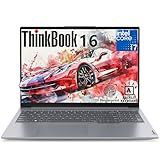
Lenovo 16" FHD+ Business Laptop: High-Performance for Programming, Data Analysis & Video Editing, Intel Core i7-13700H, 64GB RAM, 2TB PCIe SSD, Windows 11 Pro, Fingerprint & Backlit Keyboard (Gray)
-
BLAZING FAST PERFORMANCE: 13TH GEN INTEL I7 WITH UP TO 5.0GHZ TURBO SPEED.
-
STUNNING 16 WUXGA DISPLAY: ANTI-GLARE SCREEN REDUCES EYE STRAIN FOR LONG SESSIONS.
-
MASSIVE 64GB RAM & 2TB SSD: EFFORTLESSLY MANAGE DEMANDING APPS AND LARGE FILES.


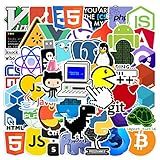
50 PCS Programming Stickers for Developers, Coders, Programmers, Hackers, Geeks, and Engineers,Developper Stickers for Laptop Party Favors for Water Bottles (Programmer)
-
HIGH-DEF, VIVID DESIGNS: 100% NEW HD PRINTS FOR STUNNING VISUALS.
-
NO DUPLICATES: 50 UNIQUE STICKERS ENSURE VARIETY IN EVERY PACK.
-
VERSATILE USE: PERFECT FOR GIFTS AND DECORATING PERSONAL ITEMS STYLISHLY.
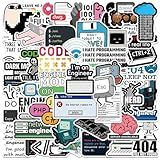
50PCS Programming Stickers Gifts for Developers Programmers Hackers Engineers, Icicrim Program Stickers for Laptop Computer Water Bottles Luggage Vinyl Waterproof Decals
-
50 UNIQUE, FUN STICKERS: NO DUPLICATES-ENDLESS CREATIVITY AWAITS!
-
VERSATILE DÉCOR: PERSONALIZE EVERYTHING FROM LAPTOPS TO WATER BOTTLES!
-
IDEAL GIFT: PERFECT FOR FRIENDS AND FAMILY-MAKE EVERY OCCASION SPECIAL!
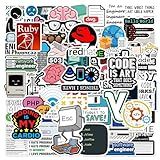
100PCS PCS Programming Stickers Funny, Vinyl Waterproof for Water Bottle Laptop Luggage Guitar Gifts for Teens Girls Kids Adult Students Funny
-
100 HIGH-QUALITY STICKERS: WATERPROOF, UV RESISTANT, AND DURABLE!
-
VERSATILE DECOR: PERFECT FOR LAPTOPS, BIKES, AND MORE-STICK ANYWHERE!
-
LOVELY DESIGNS: CUTE THEMES AND FUNNY SLOGANS FOR ALL AGES!
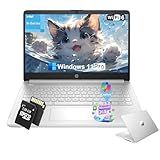
HP 14-inch Laptop Computer for Student & Business - Intel 4-Core Processor, 16GB RAM, 128GB UFS & 128GB SD Card, Ai Copilot, 1 Year Office 365, Win 11 Pro, All-Day (Silver)
- ALL-DAY PERFORMANCE: INTEL CELERON & 4-CORE FOR SEAMLESS MULTITASKING.
- AMPLE STORAGE: UP TO 16GB RAM & 128GB STORAGE + 128GB MICRO SD.
- PORTABLE POWER: LIGHTWEIGHT DESIGN & 8-HOUR BATTERY WITH FAST CHARGE.
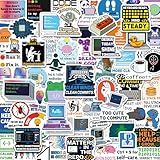
Yqskt 200PCS Programming Stickers, Vinyl Coding Stickers for Developers Programmers Engineers Geeks, Tech Sticker Pack for Laptop Water Bottle, Computer Science Gift
-
200 UNIQUE VINYL DESIGNS: PERFECT FOR LONG-TERM USE AND PERSONALIZATION!
-
WATERPROOF & REUSABLE: STICKERS THAT REPOSITION EASILY WITHOUT RESIDUE!
-
IDEAL MOTIVATIONAL GIFT: INSPIRE DEVELOPERS, STUDENTS, AND CREATORS!
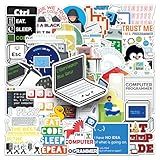
Programming Stickers,50Pcs Gifts for Developers Programmers Hackers Engineers, Program Stickers for Laptop Computer Water Bottles Luggage Vinyl Waterproof Decals
- 50 UNIQUE, VERSATILE STICKERS FOR ENDLESS DIY DECORATION FUN!
- DURABLE, WATERPROOF VINYL ENSURES VIBRANT DESIGNS LAST LONG.
- EASY APPLICATION FOR SMOOTH, BUBBLE-FREE STICKING EVERY TIME!
There is no one definitive answer to what the best programming laptop is, as it depends on individual needs and preferences. However, some commonly recommended laptops for programming include:
- MacBook Pro: Known for its powerful performance, MacOS environment, and smooth user experience.
- Dell XPS 15: Offers a great balance of performance and portability, with a high-resolution display.
- Lenovo ThinkPad X1 Carbon: Known for its durability and excellent keyboard, with strong performance capabilities.
- HP Spectre x360: Features a versatile convertible design, solid performance, and a long battery life.
- Asus ZenBook Pro Duo: Equipped with a unique dual-screen display, offering more screen real estate for coding and multitasking.
Ultimately, it's important to choose a laptop with sufficient processing power, RAM, storage, and a comfortable keyboard to meet your programming requirements.
How often should laptops be replaced?
The frequency at which laptops should be replaced depends on several factors including the user's needs and preferences, as well as the laptop's performance and condition. On average, laptops are expected to last around 3-5 years before they start to significantly degrade in performance or encounter hardware issues. However, some individuals may choose to replace their laptops more frequently, especially if they require the latest technology or have specific performance requirements. Conversely, others may use their laptops for longer periods, especially if they are primarily used for basic tasks such as web browsing or word processing. Ultimately, the decision to replace a laptop depends on the individual's specific circumstances and satisfaction with the device's performance.
Is a 13-inch laptop good for programming?
Yes, a 13-inch laptop can be good for programming, depending on your needs and preferences.
Pros of a 13-inch laptop for programming:
- Portable: The smaller form factor makes it easier to carry around, which is great for programmers who travel or work in different locations.
- Cost-effective: Compared to larger laptops, 13-inch models tend to be more affordable, making it a suitable option if budget is a concern.
- Adequate display size: While a larger display might offer more screen real estate, a 13-inch laptop can still provide sufficient space for coding and navigating multiple windows or tabs.
- Energy-efficient: Smaller laptops generally consume less power, resulting in longer battery life, which can be useful for lengthy coding sessions on the go.
Cons of a 13-inch laptop for programming:
- Limited screen space: Some programmers prefer larger displays for better visibility and multitasking. If you often work with multiple windows or need to view complex code simultaneously, a larger screen might be more beneficial.
- Smaller keyboard: If you have larger hands or prefer a more spacious keyboard, typing on a 13-inch laptop might feel cramped.
- Limited upgrade options: Smaller laptops often have limited room for hardware upgrades, so if you anticipate the need for significant hardware upgrades in the future, a larger laptop could be a better choice.
Ultimately, the suitability of a 13-inch laptop for programming depends on your personal preferences, work requirements, and budget. It's important to consider the screen size, keyboard comfort, portability, and the specific programming tasks you'll be undertaking.
What is better for programming: a laptop or a desktop?
The choice between a laptop and a desktop for programming depends on the individual's needs and preferences. Both options have their own advantages and disadvantages:
Laptop:
- Portability: Laptops are portable and allow programmers to work from various locations.
- Flexibility: Can easily take a laptop to meetings, work remotely, or travel with it.
- Space-saving: Takes up less physical space compared to a desktop setup.
- Sufficient performance: Modern laptops can offer high processing power and performance capabilities.
Desktop:
- Power and performance: Desktops usually provide more powerful hardware configurations than laptops, making them suitable for resource-intensive tasks.
- Better cooling: They generally have better cooling systems as they can accommodate more efficient cooling mechanisms.
- Upgradability: Allows easier customization and upgrading of components such as processors, graphics cards, and memory.
- Dual-monitor support: Easier to set up multiple monitors, which can enhance productivity for programmers.
Ultimately, the choice depends on personal preferences, mobility requirements, workspace availability, performance needs, and budget constraints. Some programmers may prefer the flexibility and portability of a laptop, while others may prioritize performance and customization options provided by a desktop.
What laptop do most programmers use?
There is no specific laptop that most programmers use as it largely depends on personal preferences and specific programming needs. However, some popular laptop brands and models among programmers include:
- Apple MacBook Pro: Many programmers prefer MacBook Pros for their build quality, performance, and the convenience of the macOS system, which is known for its strong development environment.
- Dell XPS 15: The Dell XPS 15 is a Windows laptop known for its powerful specifications, high-quality display, and good build quality, making it suitable for programming tasks.
- Lenovo ThinkPad X1 Carbon: The ThinkPad X1 Carbon is often favored by programmers due to its excellent keyboard, lightweight design, and durability. It also offers strong performance and long battery life.
- HP Spectre x360: The Spectre x360 is a popular choice among programmers, offering a combination of a versatile 2-in-1 design, powerful performance, and good battery life.
- System76 Gazelle: System76 is a company that specializes in Linux-based laptops optimized for development. The Gazelle model from System76 is well-regarded among programmers due to its open-source operating system compatibility and strong hardware specifications.
Ultimately, the choice of a laptop varies among programmers depending on their requirements, preferred operating system, budget, and personal preferences.