
Best Cooling Aids for Post-Elliptical Workouts to Buy in October 2026

Thermal-Aid® (Baxter The Bunny) – Washable Heating Pad & Ice Pack – Plush Hot/Cold Pack with Natural Corn Filling – Reusable Comfort
- INSTANT HEAT OR SOOTHING CHILL – MICROWAVE OR FREEZE FOR COMFORT!
- EASY TO CLEAN: PLUSH, WASHABLE COVER FOR HASSLE-FREE MAINTENANCE.
- SAFE & DURABLE: NATURAL, MOLD-RESISTANT FILLING FOR KIDS' PEACE OF MIND.


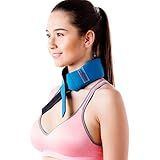
Cool + Relief Cooling Ice Pack Bandana - 16 x 2.5 x 0.8 Inch Head Wrap with Cool Pads (Pack of One) in Blue
- STAY COOL ANYTIME: BEAT THE HEAT WITH OUR VERSATILE HEAD WRAP!
- PERFECT FIT: ADJUSTABLE DESIGN ENSURES COMFORT FOR ALL HEAD SIZES.
- REUSABLE COMFORT: ENJOY LASTING RELIEF WITH REFREEZABLE ICE INSERTS.

Gel Ice Packs for Injuries & Phone Cooling - Flexible Cold Compress with Phone Design for Muscle Pain Relief, Hot Phone Recovery, First Aid, Sports Injuries (6 Pack)
- DUAL-PURPOSE DESIGN: SOOTHE PAIN & COOL YOUR PHONE EFFORTLESSLY.
- SKIN-SAFE & REUSABLE: FLEXIBLE GEL, SAFE FOR DIRECT SKIN CONTACT.
- ERGONOMIC FIT: PERFECTLY CONTOURS TO 6-7 INCH SMARTPHONES.
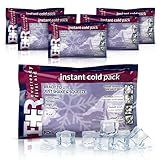
Ever Ready First Aid Disposable Cold Compress – Instant Ice Pack for Injuries, Swelling & Pain Relief – 4.5" x 7" – 6 Pack
- INSTANT RELIEF ANYWHERE: JUST SQUEEZE FOR 35°F COLD THERAPY IN SECONDS!
- SOOTHES VARIOUS PAINS: TARGET SPRAINS, BURNS, AND HEADACHES WITH EASE.
- EASY TO USE & VERSATILE: 4.5 X 7 PACK FITS ANY BODY PART COMFORTABLY.
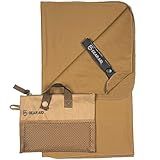
GEAR AID Fast Acting Cooling Towel for Fitness, Sports and Outdoors, 15”x36”, Coyote
- FAST-ACTING, WATER-ACTIVATED TOWEL COOLS FOR 2 HOURS OF RELIEF.
- COMPACT AND LIGHTWEIGHT, FOLDS TO PAPERBACK SIZE FOR EASY CARRY.
- QUICK-DRYING MICROFIBER PREVENTS ODORS, PERFECT FOR ALL ACTIVITIES.
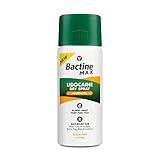
Bactine MAX Dry Spray for Pain Relief with 4% Lidocaine - Numbing Lidocaine Spray with Cooling First Aid - Pain + Itch Relief For Minor Cuts & Scrapes, Burns, Bug Bites, Sunburns & Postpartum Care - 4
-
MAXIMIZE RELIEF: STOP PAIN & ITCH INSTANTLY WITH BACTINE MAX’S 4% LIDOCAINE.
-
FIRST AID ESSENTIAL: DON'T LET MINOR INJURIES SLOW YOU DOWN-STAY PREPARED!
-
GENTLE HERBAL FORMULA: SOOTHING BOTANICALS PROMOTE HEALING WHILE BEING KIND TO SKIN.
After a rigorous workout on an elliptical trainer, it's important to properly cool down to allow your body to transition from exercise to its regular state. Cooling down helps to gradually lower your heart rate and return your breathing and body temperature to normal. Here are some tips on how to properly cool down after using an elliptical trainer:
- Slow down the pace: Gradually reduce the intensity of your workout by decreasing the resistance and speed of the elliptical trainer. This will help your body ease into a slower, less demanding pace.
- Maintain a steady pace: Continue performing a low-intensity exercise on the elliptical for about 5-10 minutes. This could include slowing down your strides and reducing resistance to a comfortable level.
- Stretching exercises: Once you have cooled down on the elliptical, it's essential to perform some stretching exercises. Focus on stretching your quadriceps, hamstrings, calves, and hip flexors. Hold each stretch for 20-30 seconds and remember to breathe deeply throughout.
- Deep breathing: Engage in deep breathing exercises to help relax your muscles and bring your heart rate back down. Inhale deeply through your nose, hold for a few seconds, and exhale slowly through your mouth. Repeat this several times to promote relaxation.
- Hydrate: During your cool down, take the opportunity to drink plenty of water to replenish the fluids lost during your workout. Hydration is crucial for preventing muscle cramps and promoting overall recovery.
- Walk it out: After you have completed your elliptical workout and stretching, continue the cool down process by going for a short walk. Walking will allow for a gentle transition from exercise to resting state and can help prevent blood from pooling in your legs.
Remember, the key is to gradually reduce the intensity and pace of your workout during the cool down period. Following these steps will help your body recover, reduce muscle soreness, and prevent dizziness or lightheadedness that may occur after an intense exercise session.
What are the benefits of cooling down properly?
Cooling down properly after exercise offers several benefits, including:
- Prevents muscle soreness: Cooling down helps to remove lactic acid and waste products that accumulate during exercise. This can reduce muscle soreness and stiffness.
- Promotes recovery: By gradually reducing your heart rate and slowly bringing your body temperature down, cooling down allows your body to transition from intense exercise to a resting state more smoothly. This promotes quicker recovery and reduces the risk of post-exercise fatigue.
- Improves flexibility and mobility: Incorporating gentle stretching exercises in your cooldown routine can help improve flexibility and maintain or even enhance your range of motion.
- Prevents blood pooling: Cooling down properly encourages blood flow to gradually return to its normal resting state. This helps to prevent blood from pooling in your extremities, reducing the risk of dizziness or fainting.
- Reduces the risk of injury: Cooling down can help to mitigate the sudden drop in blood pressure and heart rate that occurs after exercise. This reduces the risk of feeling lightheaded or experiencing orthostatic hypotension (a sudden drop in blood pressure when standing up).
- Enhances mental well-being: Cooling down gives you time to mentally transition from the intense workout to everyday life. This can help promote relaxation, reduce stress levels, and enhance overall mental well-being.
It is important to note that while there are many potential benefits to cooling down properly, scientific research evidence on its specific effects is limited. However, incorporating a cooldown routine is generally regarded as a beneficial practice by many experts and athletes.
What is the ideal heart rate range to achieve during the cool-down after an elliptical workout?
The ideal heart rate during the cool-down phase after an elliptical workout is typically around 50-70% of your maximum heart rate. This range allows your heart rate to gradually return to its normal resting rate and helps to promote recovery and reduce the risk of dizziness or other post-workout complications. To determine your maximum heart rate, subtract your age from 220.
What are some common mistakes to avoid during the cool-down phase?
During the cool-down phase, there are several common mistakes that people tend to make which should be avoided. These mistakes include:
- Skipping the cool-down altogether: Many individuals neglect the cool-down phase and jump straight to inactive rest after a workout. This can lead to muscle soreness and stiffness.
- Cooling down too quickly: Just as a proper warm-up is essential, a gradual cool-down is necessary to allow the heart rate and blood flow to return to normal gradually. Cooling down too quickly can lead to dizziness and lightheadedness.
- Stretching excessively: While some light stretching during the cool-down phase is beneficial, excessive stretching can cause muscles to become overly stretched and potentially lead to injury. Focus on gentle, static stretches rather than intense stretching.
- Ignoring hydration: Maintaining hydration during and after exercise is crucial. Many individuals forget to drink enough water during the cool-down phase, which can result in dehydration and muscle cramps.
- Not addressing any pain or discomfort: If you experience any pain or discomfort during your cool-down, it is important not to ignore it. Pay attention to your body and address any issues promptly to prevent exacerbating injuries.
- Failing to evaluate performance: The cool-down phase is an opportune time to reflect on your workout performance. Take a moment to assess how you felt during the workout, any areas of improvement, and what you might change for future sessions.
Remember, the cool-down phase is essential for helping your body recover and preparing it for the next workout. Avoiding these common mistakes can contribute to a safer and more effective cool-down.