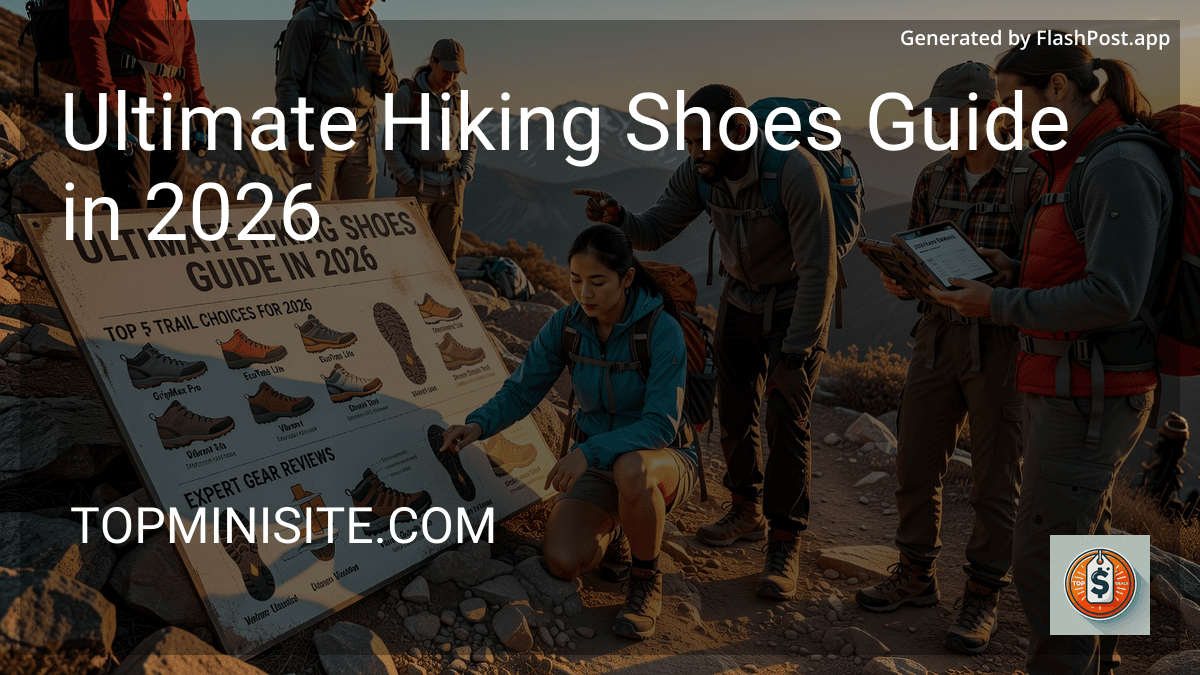
Best Hiking Shoes in October 2026
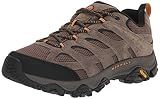
Merrell Men's Moab 3 Hiking Shoe, Walnut, 11 Medium
- DURABLE PIGSKIN LEATHER WITH BREATHABLE MESH FOR OPTIMAL COMFORT.
- ECO-FRIENDLY WITH 100% RECYCLED LACES AND MESH LINING.
- SHOCK-ABSORBING AIR CUSHION FOR SUPERIOR STABILITY AND SUPPORT.


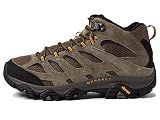
Merrell Men's Moab 3 Mid Hiking Boot, Walnut, 11
- ECO-FRIENDLY MATERIALS: 100% RECYCLED LACES AND MESH LINING.
- ULTIMATE COMFORT: KINETIC FIT ADVANCED INSOLE FOR MEDIUM SUPPORT.
- SHOCK-ABSORBING MERRELL AIR CUSHION FOR LASTING STABILITY.
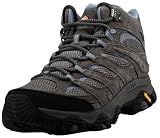
Merrell Women's Moab 3 Mid Waterproof, Granite, 8.5
- STAY DRY AND COMFORTABLE WITH OUR WATERPROOF HIKING MEMBRANE!
- EXPERIENCE DURABILITY AND BREATHABILITY WITH LEATHER AND MESH DESIGN.
- ENJOY ALL-DAY COMFORT WITH ENHANCED ARCH SUPPORT AND CUSHIONING!
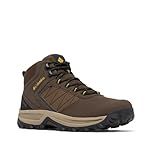
Columbia Mens Transverse Waterproof Hiking Boot, Cordovan/Golden Yellow, 9.5
-
OMNI-TECH: STAY DRY IN ANY WEATHER WITH BREATHABLE WATERPROOFING.
-
TECHLITE: LIGHTWEIGHT CUSHIONING ENSURES COMFORT ON EVERY TERRAIN.
-
OMNI-GRIP: SUPERIOR TRACTION FOR CONFIDENCE ON ALL SURFACES.
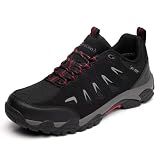
SHULOOK Men's Waterproof Hiking Shoes Lightweight Anti Slip Outdoor Ankle Boots Breathable Hike Trekking Trails Shoe Black/Red 11
- ULTRA-LIGHT, WATERPROOF SHOES KEEP YOU DRY AND COMFORTABLE ALL DAY.
- MEMORY FOAM INSOLE & HEEL CUSHIONING REDUCE FATIGUE ON EVERY HIKE.
- ADVANCED GRIP SOLE ENSURES STABILITY ON ANY TERRAIN AND ACTIVITY.
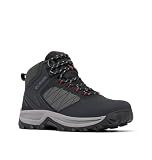
Columbia Mens Transverse Waterproof Hiking Boot, Black/Mountain Red, 9.5
- STAY DRY WITH OMNI-TECH'S BREATHABLE, WATERPROOF CONSTRUCTION.
- ENJOY LIGHTWEIGHT, BOUNCY COMFORT WITH TECHLITE CUSHIONING.
- TACKLE ANY TERRAIN WITH OMNI-GRIP'S SUPERIOR TRACTION AND STABILITY.
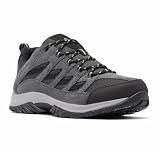
Columbia Mens Crestwood, Shark/Columbia Grey, 10
- LIGHTWEIGHT DESIGN OFFERS COMFORT FOR LONG HIKES AND EVERYDAY WEAR.
- TECHLITE CUSHIONING REDUCES IMPACT, KEEPING YOU ENERGIZED ALL DAY.
- OMNI GRIP OUTSOLE ENSURES STABILITY ON DIVERSE TERRAINS WITH CONFIDENCE.
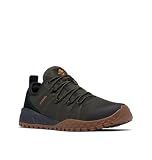
Columbia Mens Fairbanks Low, Deep Olive/Desert Sun, 10.5
- ALL-DAY COMFORT: TECHLITE MIDSOLE FOR LIGHTWEIGHT SUPPORT & ENERGY.
- VERSATILE DESIGN: STYLISH FOR TOWN OR TRAIL, PERFECT FOR ANY OCCASION.
- SUPERIOR GRIP: OMNI-GRIP OUTSOLE ENSURES TRACTION ON ANY TERRAIN.
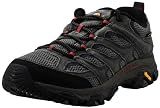
Merrell Men's Moab 3 Waterproof Hiking Shoe, Beluga, 10
- WATERPROOF DESIGN KEEPS FEET DRY WHILE ALLOWING BREATHABILITY.
- DURABLE PIGSKIN LEATHER AND MESH FOR COMFORT AND SUPPORT.
- ECO-FRIENDLY WITH 100% RECYCLED LACES AND WEBBING.
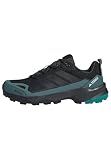
adidas Men's Terrex Skychaser AX5 Gore-TEX Hiking, Black/Carbon/Pure Teal, 10.5
- LIGHTWEIGHT TEXTILE UPPER ENSURES ALL-DAY COMFORT FOR ANY ADVENTURE.
- EXPERIENCE RESPONSIVE SUPPORT WITH LIGHTMOTION CUSHIONING TECHNOLOGY.
- VERSATILE DESIGN PERFECT FOR LIGHT HIKING AND EVERYDAY EXPLORATION.
Trail runners now make up well over half of hiking footwear sales in many outdoor retail channels, yet a huge chunk of returns still come down to three avoidable issues: poor fit, wrong outsole choice, and misleading waterproof expectations. That gap is exactly why an Ultimate Hiking Shoes Guide in 2026 matters-because the wrong pair can feel fine in the store and wreck your heels by mile six on wet rock.
I’ve put a lot of miles into low-cut hikers, fast-and-light trail shoes, and waterproof day-hiking pairs across dry dirt, slick roots, and shoulder-season slush. This Ultimate Hiking Shoes Guide in 2026 is built to help you decode what actually matters: fit, traction, stack height, support, durability, and whether “waterproof” helps or hurts on your typical route.
How we select products: Our team reviews hiking footwear daily, analyzing customer ratings (4.0+ stars minimum), pricing trends, discount history, outsole performance notes, and real buyer feedback to surface options that deliver dependable value. We also compare return-rate patterns tied to fit issues, break-in complaints, sole wear, and waterproofing failures.
Why does the Ultimate Hiking Shoes Guide in 2026 matter more than it did 5 years ago?
Hiking shoes have changed fast. Midsoles are lighter, outsoles are more specialized, and many models now borrow geometry from performance running shoes, including rocker profiles, wider toe boxes, and higher stack heights.
That sounds great until you realize modern shoes can also be less forgiving if you choose the wrong style. A shoe that feels plush on flat flooring may feel unstable on side-hill terrain, while an aggressive lug pattern that grips mud brilliantly can feel clunky on hard-packed summer trails.
The other big shift is use case. More hikers now want one pair that can handle day hikes, travel, light backpacking, and mixed weather. That’s possible-but only if you understand the trade-offs between trail runners vs hiking shoes, breathable mesh vs waterproof membranes, and flexible cushioning vs torsional stability.
What should you actually look for in hiking shoes before you buy?
If you only remember one section from this Ultimate Hiking Shoes Guide in 2026, make it this one. These are the criteria that most reliably separate a great pair from a regrettable one.
1. How much toe room do you need on descents?
Your longest toe should usually have about a thumb’s width of space in front on downhill stance. Less than that, and you’re far more likely to jam toes, lose nails, or create hot spots on steep descents.
A snug heel and midfoot matter more than a super-snug toe box. If your forefoot swells after 90 minutes of hiking, a shoe that felt “performance fitted” in the shop can become a blister machine outside.
2. What lug depth matches your terrain?
For dry day hiking on maintained trails, 3 mm to 4 mm lugs often feel smoother and more versatile. If you regularly hike in mud, loose gravel, or wet forest soil, 5 mm or deeper lugs usually give noticeably better bite.
Deeper isn’t always better. Big lugs can wear faster on pavement and feel awkward if your hikes start with long parking-lot or hardpack approaches.
3. Do you need a waterproof membrane or maximum breathability?
Waterproof hiking shoes help in cold rain, shallow puddles, and wet grass. But they also tend to dry slower, run warmer, and trap sweat in summer conditions.
If most of your hikes are in warm weather, a breathable mesh upper is often the smarter call. For more context on boot-style protection, you can how waterproof hiking boots works and compare whether ankle height or just a membrane solves your real problem.
4. How stable is the platform under load?
If you carry more than a light daypack, look closely at midsole firmness, heel width, and torsional rigidity. A soft, high-stack shoe can feel amazing unloaded, then get sketchy when you add extra weight on rocky switchbacks.
A good test: twist the shoe gently through the midfoot. If it folds too easily and you hike uneven terrain often, it may not provide enough support for long days.
5. Is the outsole rubber built for wet rock?
Not all sticky rubber is equally effective. Review patterns consistently show that hikers complain most about traction on slick roots, wet stone, and painted wooden bridges-not dry dirt.
Look for review language that specifically mentions wet traction, not just “great grip.” Shoes with lots of traction praise but vague conditions can disappoint in shoulder season.
6. How much cushioning can your feet tolerate?
More cushioning helps many hikers reduce foot fatigue over 8 to 12 miles, especially on rocky trails. But too much softness can reduce ground feel and increase ankle wobble if you’re scrambling or side-hilling.
If you’ve had plantar soreness or bruised feet before, moderate-to-high cushioning is often worth prioritizing. If you prefer precision and agility, a lower stack may feel safer.
How we picked the best hiking shoes in this Ultimate Hiking Shoes Guide in 2026
I didn’t just look at marketing claims. The best insights usually come from overlap between field use and large review sets.
Here’s the selection criteria we use:
- Minimum rating threshold: We prioritize shoes with 4.0 stars or higher across meaningful review volume.
- Review depth: Models with 500+ reviews reveal fit and durability patterns faster than niche pairs with 40 glowing comments.
- Return-risk signals: We flag repeated complaints about heel slip, toe bang, delamination, or waterproof failure within the first season.
- Terrain versatility: We favor shoes that perform across at least two trail types, such as dry hardpack plus rocky terrain.
- Weight-to-support balance: Lightweight matters, but not if the shoe collapses under a loaded pack.
- Break-in time: The best current hiking shoes should feel trail-ready within one to three outings, not after a month of suffering.
- Outsole wear rate: We pay attention to reports of lug rounding or heel abrasion before 200 to 300 miles.
That methodology matters because plenty of shoes test well for comfort in the first hour. Far fewer hold up after repeated descents, creek-edge mud, and all-day heat.
What are the best hiking shoe options by budget in 2026?
Budget shapes the field more than most buyers expect. The sweet spot for value has shifted, and the cheapest pair is rarely the best long-term deal if it loses traction early or forces you into aftermarket fixes.
Best hiking shoes under the entry-level budget range
This range works best for occasional day hikers, vacation travelers, and beginners doing shorter trails under 5 to 7 miles. You’ll typically see simpler uppers, less premium rubber compounds, and midsoles that compress sooner.
What to expect here:
- Lighter construction
- Basic cushioning
- Adequate dry-trail traction
- Shorter lifespan if you hike weekly
- More fit inconsistencies across sizes
The good buys in this category usually have one standout trait-either strong comfort or decent grip-but rarely both at top level. If reviews mention sole wear before a single season ends, skip them.
The mid-range sweet spot most hikers should target
For most people, this is the practical heart of the market. You get the best blend of traction, durability, breathable uppers, and underfoot protection without paying mainly for niche weight savings or premium materials.
In this bracket, expect:
- Better heel lockdown
- More reliable outsole compounds
- Rock plates or firmer forefoot protection
- Better long-distance comfort
- Fewer break-in complaints
This is where many of the best hiking shoes for men and best hiking shoes for women land, especially for all-around day hiking. If you’re hiking twice a month or more, this range usually gives the best cost-per-mile.
Premium hiking shoes over the typical value range
Premium pairs make sense if you hike often, carry variable loads, or need a very specific performance trait like elite wet-rock grip, low weight with stability, or extra-resilient cushioning over 15+ mile days.
You’re generally paying for one or more of these upgrades:
- Advanced midsoles with better energy return
- More durable outsole compounds
- Better upper materials and overlays
- Lower weight at comparable support
- More refined fit shaping
That said, premium doesn’t guarantee better fit. In this Ultimate Hiking Shoes Guide in 2026, fit still beats features every time.
Are trail runners better than traditional hiking shoes in 2026?
For a lot of hikers, yes. Trail runners are now the default choice for fast day hikes, warm-weather miles, and trips where low weight matters more than maximal structure.
They usually offer:
- Better breathability
- Faster drying after water exposure
- Lower weight
- Shorter break-in time
- More natural walking feel
Traditional hiking shoes still win for hikers who need more lateral stability, firmer edging, and tougher uppers. If your routes include talus, sharp rock, heavier packs, or repeated abrasion, a purpose-built hiking shoe often lasts longer and feels safer.
The best question isn’t “Which is better?” It’s “How rough is my terrain, and how much support do I need after hour four?”
What do real reviews reveal about hiking shoes that product pages don’t?
This is where buyers save themselves from bad picks. Product pages love big claims. Review clusters show the boring truth.
The most useful patterns I see repeatedly:
- Shoes under 4.2 stars often show more complaints about heel rub and premature sole wear
- Waterproof models get more praise in cool weather, but more heat complaints in summer
- Wide-foot hikers mention toe-box issues far earlier than standard-fit buyers
- High-cushion models earn comfort points but sometimes lose confidence on uneven rock
- Lightweight uppers can fray faster around flex points if used on scree-heavy trails
Red flags worth treating seriously
If you spot any of these patterns more than a few times, move on:
- “Great once I changed the insole” repeated in multiple reviews
- “Runs half a size small” across different foot shapes
- Outsole peeling within the first 50 to 100 miles
- Heel collar rubbing through socks on short hikes
- Waterproofing failure after light rain rather than immersion
💡 Did you know: most foot swelling on moderate hikes peaks after roughly 60 to 120 minutes, which is why trying shoes on late in the day often gives a more realistic fit than a morning test.
Sock choice also changes the verdict. If you’re dialing in blister prevention, read more about pairing footwear with trail-specific sock cushioning, and compare material notes from Devhubby if you’re weighing moisture control vs warmth.
Which features matter most for summer hikes, wet trails, and light backpacking?
One reason shoppers get stuck is that “best hiking shoe” means different things in July desert heat than it does on rooty, rain-soaked forest trail.
For hot-weather day hikes
Prioritize:
- Breathable mesh uppers
- Fast-drying lining
- Moderate cushioning
- Lugs that won’t feel overbuilt on hardpack
In high heat, a waterproof membrane can make your feet feel 5 to 10 degrees warmer subjectively, especially on exposed climbs. That extra heat often increases friction and moisture inside the shoe.
For wet trails and shoulder season
Focus on:
- Proven wet-surface traction
- Secure heel hold
- Gusseted tongue to block debris
- Either waterproofing or fast drainage, depending on temperature
Cold and wet is where waterproof hiking shoes make the most sense. Warm and wet usually favors shoes that drain and dry fast instead.
For light backpacking and longer mileage
Look for:
- Firmer midsoles
- Protective toe cap
- Stable heel platform
- Better torsional control
- Durable overlays in high-wear zones
Once your pack weight climbs, comfort alone stops being enough. You need a shoe that still feels composed at mile ten.
What gear pairings make hiking shoes perform better on the trail?
Shoes don’t work in isolation. A solid footwear system usually includes socks, shorts, and carry setup that reduce friction and improve stability.
For example, shorter inseams and better fabric mobility can change your stride on steep climbs; a useful reference point is Fitprops. And if you’re building a lightweight travel-friendly kit, it’s worth seeing how duffel bags for hiking 2025 works before assuming a classic pack is your only option.
You’ll also see odd citation trails online, especially in scraped gear roundups, where source paths point to pages like www.google.es or archived redirect chains such as see original. That’s another reason to prioritize reviews with specific trail context over generic “top 10” lists.
What is the single most important takeaway from this Ultimate Hiking Shoes Guide in 2026?
Ignore color, hype, and even weight at first. The single most important criterion is secure fit through the heel and midfoot with enough toe room for downhill swelling.
If a shoe slips at the heel or crowds your toes in the store, no outsole, membrane, or premium midsole will save it later. Start with fit, confirm traction for your terrain, then choose breathable or waterproof based on the weather you actually hike in-not the weather you imagine.
Frequently Asked Questions
what hiking shoes are best for beginners in 2026?
Beginners usually do best with a mid-range, low-cut hiking shoe that balances cushioning, grip, and easy break-in. Look for a pair with 4.2+ stars, 500+ reviews, moderate lugs, and a roomy toe box rather than the lightest or most technical option.
are waterproof hiking shoes worth it for summer trails?
Usually not, unless your hikes are cold, wet, and short enough that drying speed matters less than splash protection. On warm summer trails, breathable non-waterproof shoes often feel better because they vent heat and dry faster after creek crossings or sweat buildup.
how long should hiking shoes last before you replace them?
Most hiking shoes last roughly 300 to 500 miles, but outsole wear, midsole compression, and upper damage can shorten that range. If traction feels noticeably reduced on wet surfaces or the cushioning feels flat by the end of moderate hikes, replacement is probably due.
should i size up for hiking shoes?
A slight size increase is common, especially if your feet swell on longer hikes or you use thicker hiking socks. The better rule is not blindly sizing up, but making sure you have thumb-width toe clearance while keeping the heel locked in place.
are trail runners good enough for long day hikes and light backpacking?
Yes, for many hikers they are-especially on maintained trails and with lighter loads. Once terrain gets rockier or your pack gets heavier, a more structured hiking shoe often gives better stability, protection, and long-term comfort.