
Best Audio Systems for Treadmills to Buy in October 2026
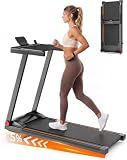
5% Incline Walking Pad Treadmill, 300LB Capacity Folding Treadmills for Home, Walking pad with Handle bar, 3.0 HP Quiet Dual Cushion System
- BUILT-IN DEVICE HOLDER FOR ENTERTAINMENT WHILE YOU EXERCISE!
- 5% INCLINE AND HANDRAIL FOR CHALLENGING, EFFECTIVE WORKOUTS.
- SPACE-SAVING DESIGN: EASILY FOLD AND STORE IN SMALL SPACES!


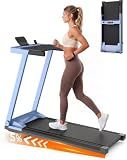
5% Incline Walking Pad Treadmill, 300LB Capacity Folding Treadmills for Home, Walking pad with Handle bar, 3.0 HP Quiet Dual Cushion System
-
STAY ENTERTAINED: BUILT-IN DEVICE HOLDER FOR EASY VIEWING DURING WORKOUTS.
-
MAXIMIZE CALORIE BURN: 5% INCLINE AND PADDED BELT FOR SAFER, INTENSE WORKOUTS.
-
COMPACT DESIGN: FOLDS EASILY FOR STORAGE, PERFECT FOR SMALL SPACES.
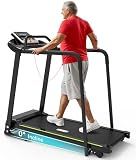
Redliro Walking Treadmill for Seniors with Long Handrails for Home
-
STABLE SUPPORT FOR ALL USERS: EXTENDED HANDRAILS ENHANCE SAFETY AND BALANCE.
-
ULTRA-LOW SPEED CONTROL: STARTS AT 0.3 MPH FOR SAFE, GRADUAL WALKING.
-
COMPACT & PORTABLE DESIGN: EASILY FOLDS AND MOVES FOR CONVENIENT HOME USE.

Pimsleur Spanish Level 2 CD: Learn to Speak and Understand Latin American Spanish with Pimsleur Language Programs (2) (Comprehensive)
- AFFORDABLE ALTERNATIVE TO NEW BOOKS FOR BUDGET-CONSCIOUS READERS.
- THOROUGHLY INSPECTED FOR QUALITY; FEATURES MINIMAL WEAR AND TEAR.
- ECO-FRIENDLY CHOICE; PROMOTES SUSTAINABILITY BY REUSING RESOURCES.
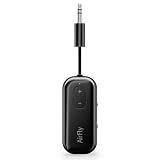
Twelve South AirFly SE, Bluetooth Wireless Audio Transmitter Adapter, Black
- WIRELESS FREEDOM: ENJOY AUDIO FROM ANY 3.5MM SOURCE, CORD-FREE.
- EXTENDED BATTERY LIFE: 20+ HOURS OF PLAY; USE WHILE CHARGING!
- COMPACT DESIGN: LIGHTWEIGHT AND PORTABLE FOR ON-THE-GO CONVENIENCE.
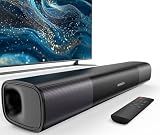
RIOWOIS 17 inch Sound Bar for Smart TV,Peak Power 80W
-
IMMERSIVE SOUND WITH DEEP BASS: FEEL EVERY BEAT IN YOUR ROOM.
-
COMPACT DESIGN: POWERFUL AUDIO THAT FITS PERFECTLY IN SMALL SPACES.
-
CRYSTAL-CLEAR DIALOGUE: ENJOY MOVIES WITH NATURAL, BALANCED SOUND.
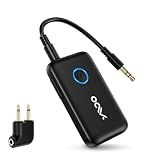
YMOO Airplane Bluetooth Adapter for AirPods, Bluetooth Transmitter Receiver
-
STREAM AUDIO WIRELESSLY: ENJOY IN-FLIGHT ENTERTAINMENT ON YOUR OWN HEADPHONES.
-
CONNECT TWO HEADPHONES: SHARE ENTERTAINMENT SEAMLESSLY WITH A PARTNER OR CHILD.
-
22 HOURS OF BATTERY LIFE: LONG-LASTING PLAYTIME FOR ALL YOUR AUDIO NEEDS ON THE GO.
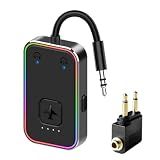
2026 Beeitzie Ultra Airplane Bluetooth 5.4 Transmitter – aptX LL Low Latency, Supports 2 Headphones Simultaneously – Wireless Audio Adapter for in-Flight, TV, Gym, Tablets – Metal Frame
- WIDE COMPATIBILITY: CONNECTS TO ANY DEVICE WITH A 3.5MM JACK EFFORTLESSLY.
- LOW LATENCY: ENJOY HIGH-QUALITY AUDIO WITH MINIMAL LAG FOR ULTIMATE EXPERIENCE.
- DURABLE DESIGN: METAL CONSTRUCTION ADDS SOPHISTICATION AND LASTING RESILIENCE.
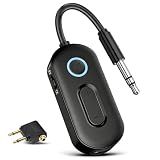
Bluetooth Transmitter Receiver 2 in 1,Suitable for 2 Airpods or Headphones
- TRANSFORM ANY DEVICE TO BLUETOOTH WITH 2-IN-1 TX/RX FUNCTIONALITY!
- COMPACT AND LIGHTWEIGHT DESIGN, PERFECT FOR TRAVEL AND DAILY USE.
- ENJOY 15-HOUR BATTERY LIFE WITH FAST USB-C CHARGING FOR CONVENIENCE.
Using the audio system on a treadmill is a simple process. Here's how you can do it:
- Locate the audio system: Look for the speakers or headphone jack on the treadmill. The speakers are usually built into the console, while the headphone jack is typically found in a visible area.
- Connect your device: If you want to use the treadmill's speakers, connect your device to the treadmill using an audio cable or Bluetooth. For an audio cable, plug one end into your device's headphone jack or audio output, and the other end into the treadmill's audio input. If you choose Bluetooth, enable it on your device and pair it with the treadmill.
- Adjust volume: Adjust the volume levels on both your device and the treadmill. Start with a lower volume, then increase it as desired while running or walking. Be mindful of your surroundings and other people using the gym, as you don't want the sound to be disruptive.
- Test the audio: Play some music or audio from your device and check if it's playing through the treadmill speakers. If the audio isn't playing, ensure that the device is properly connected or paired.
- Headphone jack usage: If you prefer using headphones, plug them into the headphone jack on the treadmill console. Make sure the headphones are compatible and securely plugged in. Adjust the volume on both the treadmill and your device for a comfortable listening experience with your headphones.
- Safety measures: Always stay alert and aware of your surroundings while using headphones or speakers on a treadmill. Ensure that the volume is not too loud, so you can hear any external sounds or warnings from the treadmill, gym staff, or other individuals nearby.
Remember to familiarize yourself with the treadmill's specific audio system features and controls. Each treadmill model may have slight variations in terms of connectivity options or functionalities.
How to switch off the audio system on a treadmill?
The method to switch off the audio system on a treadmill may vary depending on the specific model and manufacturer, but here are a few general steps you can try:
- Locate the power button: Look for a power button or switch on the treadmill's control panel or console. This is usually the primary method to switch off the entire treadmill system, including the audio system.
- Press and hold the power button: If a short press doesn't turn off the audio system, try pressing and holding the power button for a few seconds. This often triggers a complete shutdown of the treadmill, which includes turning off the audio.
- Check for an audio control panel: Some treadmills may have a separate control panel or buttons specifically for the audio system. Look for buttons that control volume, play/pause, or audio settings. If there are dedicated audio controls, try pressing the corresponding button to disable the audio.
- Disconnect the audio source: If the treadmill has an audio input or Bluetooth connectivity, try disconnecting the source device. Turn off or disconnect any external music player, smartphone, tablet, or any other device connected to the treadmill's audio system.
- Unplug the treadmill: As a last resort, if none of the above steps work or if you want to completely power off the treadmill, unplug it from the power source or turn off the power switch connected to the treadmill.
Remember to consult the user manual or contact the manufacturer for specific instructions tailored to your treadmill model.
What is the purpose of the headphone jack on a treadmill's audio system?
The purpose of the headphone jack on a treadmill's audio system is to provide users with the option to listen to audio privately while working out. By plugging in their headphones, individuals can enjoy music, podcasts, or other audio content without disturbing others in the vicinity or without the need for external speakers. This allows for a more personalized and immersive workout experience.
How to adjust the balance between left and right speakers on a treadmill's audio system?
The procedure for adjusting the balance between left and right speakers on a treadmill's audio system may vary depending on the specific model and manufacturer. However, here are some general steps you can follow:
- Locate the audio control panel: Look for the audio control panel on the treadmill console. It may be a physical knob or a touch screen interface.
- Access the audio settings: Navigate to the audio settings menu or controls. This may involve pressing a dedicated audio button or scrolling through the options on the display.
- Find the balance adjustment option: Look for an option called "Balance" or "Left/Right Speaker Balance" within the audio settings. This setting allows you to adjust the audio balance between the left and right speakers.
- Adjust the balance: Once you have accessed the balance adjustment option, use the controls to increase or decrease the balance. Most systems allow you to adjust the balance on a scale from left to right or with a numerical value. Experiment with different settings until you find the desired balance level.
- Test the audio: Play a music track or any audio source to hear the effect of the balance adjustment. Listen to the sound from both speakers and see if it matches your preference.
- Fine-tune if needed: If the balance is not satisfactory, go back to the settings and make further adjustments until you achieve the desired audio balance.
If you are unable to find the audio settings or balance adjustment on your specific treadmill model, refer to the user manual or contact the manufacturer's customer support for guidance.
How to toggle between different audio input sources on a treadmill?
The process to toggle between audio input sources on a treadmill may vary depending on the specific make and model. However, here are some general steps to follow:
- Identify the audio input sources: Most treadmills offer a variety of audio input options such as Bluetooth connectivity, auxiliary (AUX) input, or built-in speakers. Determine which input source you want to switch to.
- Check the treadmill controls: Look for any buttons or knobs specifically dedicated to audio options. These might be labeled as "audio source," "input," "mode," or "source."
- Press the appropriate button: Once you've identified the audio control button, press it to cycle through the available input sources. Each press should switch to the next option.
- Connect your audio device: If using Bluetooth, make sure your treadmill's Bluetooth function is enabled and search for the device's name on your phone or music player to establish a connection. For the AUX input, connect your audio device using a compatible cable.
- Adjust volume and settings: Use the treadmill's volume controls to adjust the audio output according to your preference.
Remember that these steps are general guidelines, and the exact process may differ depending on your treadmill's specific features. Always consult the user manual of your particular treadmill for accurate instructions.
What is the maximum number of devices that can be paired with a treadmill's audio system?
The maximum number of devices that can be paired with a treadmill's audio system depends on the specific model and brand of the treadmill. Some treadmills may allow only one device to be paired at a time, while others may have the capability to pair multiple devices simultaneously. It is best to refer to the treadmill's user manual or specifications to determine the exact number of devices that can be paired with its audio system.
How to connect external speakers with the audio system on a treadmill?
To connect external speakers with the audio system on a treadmill, follow these steps:
- Locate the audio output port on your treadmill. This port is typically a 3.5mm headphone jack or an RCA output.
- If your treadmill has a 3.5mm headphone jack, you will need a 3.5mm audio cable. If it has an RCA output, you will need an RCA to 3.5mm adapter cable.
- Plug one end of the audio cable (3.5mm or RCA) into the treadmill's audio output port.
- Plug the other end of the cable into the input port of your external speakers. This could be a 3.5mm AUX-in port or an RCA input, depending on the type of cable you are using.
- Ensure the speakers are turned on and set to the correct input source.
- Start your treadmill and adjust the volume on both the treadmill and speakers to your desired level. Some treadmills may have separate volume controls for their built-in speakers and external audio outputs, so adjust accordingly.
- Test the audio by playing your desired content on the treadmill and ensuring the sound is coming through the external speakers.
Note: It's important to check the treadmill's user manual for specific instructions regarding external audio connections, as different models may have varying setups and ports.